
Introduction to the Best French Butter Cake
If you've ever stepped into a charming French patisserie, chances are you've been wooed by the charm of French butter cake. This delightful dessert, known as gâteau au beurre, is a timeless classic that continues to capture the hearts of dessert lovers around the world. But what makes it so special?
Why is the French Butter Cake a Classic?
The secret to the best French butter cake lies in its simplicity. With just a handful of quality ingredients—flour, eggs, butter, and sugar—it celebrates the essence of French cooking: making the most out of less. Each ingredient plays a pivotal role in crafting a cake that is incredibly moist, yet rich in flavor. According to pastry chefs, using high-quality butter is crucial, as it lends that signature creamy texture and depth. This dessert’s hallmark is its buttery richness, which is why it often becomes a favorite at gatherings, birthdays, and even casual afternoons over coffee.
The appeal of French butter cake isn't just in its taste; it’s also about the experience. Baking it in your own kitchen transforms an ordinary day into something special. Picture this: the scent of butter melting in the oven, filling your home with warmth while friends gather around, eagerly awaiting a slice. It’s an invitation to share stories, laughter, and create memories—something that beautifully aligns with the French philosophy of living life to its fullest.
This cake’s versatility is another reason it has stood the test of time. From a simple breakfast treat, paired with a cup of tea, to a sophisticated dessert adorned with seasonal fruits or decadent chocolate glaze, the possibilities are endless. You might even consider pairing it with a latte or a refreshing fruit-infused sparkling drink for a modern twist.
Craving a slice yet? Stay tuned as we guide you through the steps to create the best French butter cake that not only tastes divine but also embodies a slice of French culture right in your home. With all these qualities, it's no wonder that this cake remains a beloved staple in kitchens everywhere!
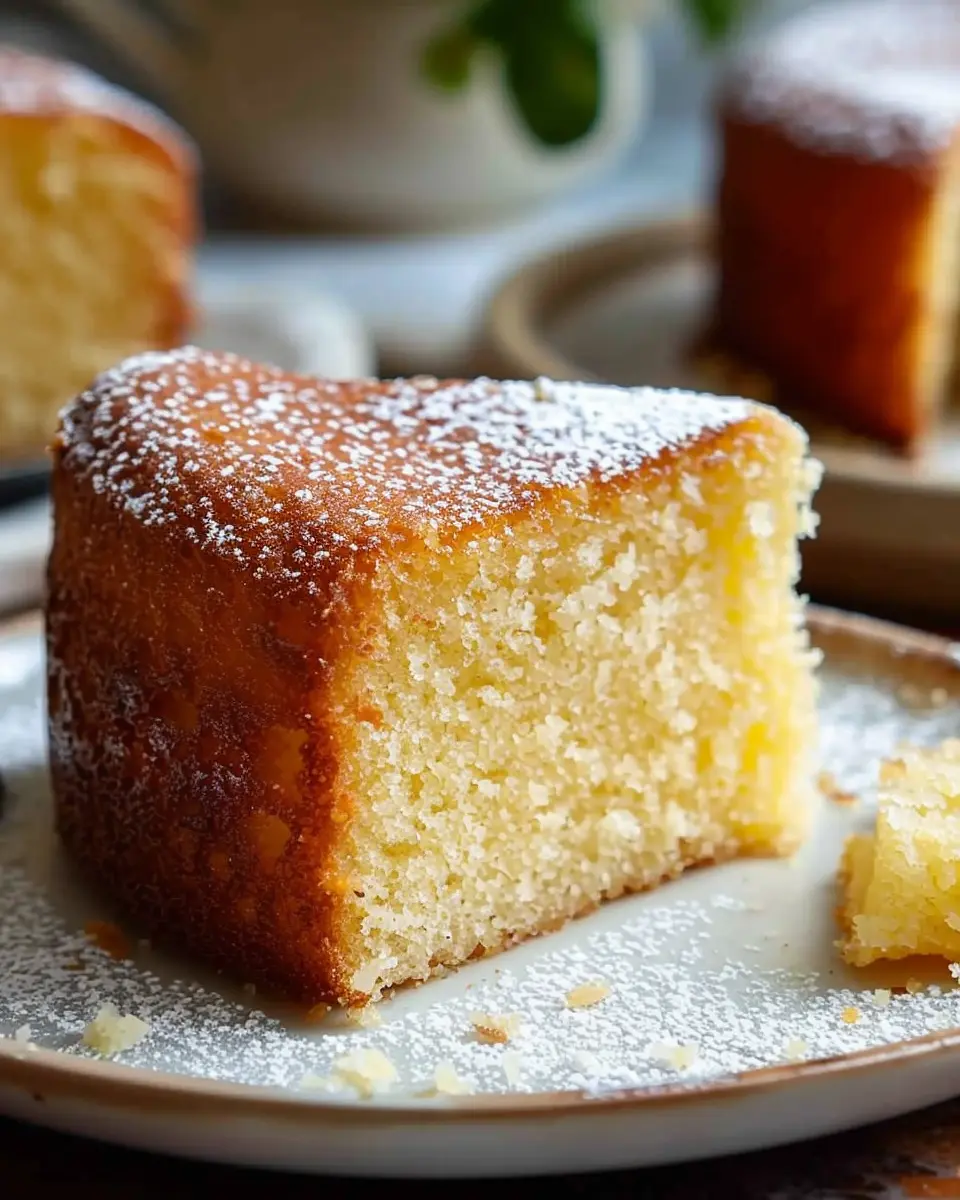
Ingredients for the Best French Butter Cake
When whipping up the best French butter cake, the quality of your ingredients can truly make a world of difference. This classic cake relies on a few simple components, and each one contributes significantly to the rich flavor and delicate texture.
Choose Quality Butter
- Unsalted Butter: Opt for high-quality, unsalted butter. This allows you to control the salt level in your cake, ensuring that the sweetness shines through. Brands like Kerrygold or Plugra are fantastic choices for their creamy texture and rich flavor.
Fresh Eggs
- Farm-Fresh Eggs: You’ll want to reach for organic or free-range eggs; they tend to have a vibrant yolk that enhances both color and flavor in your cake.
Fine Sugar
- Granulated Sugar: Selecting ultra-fine sugar is essential for achieving that creamy texture you desire. It dissolves quickly, ensuring a lovely mouthfeel.
Pure Vanilla Extract
- Flavor Matters: Using pure vanilla extract—not imitation—brings depth to your cake, making every bite feel luxurious.
Using high-quality ingredients not only enhances flavor but also ensures that your cake rises beautifully, creating a delightful dessert perfect for any occasion. If you’re curious about the significance of ingredient quality, you might find this Food & Wine article insightful!
Ready to bake? Let’s get to the recipe for this indulgent treat!
Preparing the Best French Butter Cake
Creating the best French butter cake is a delightful journey that starts with simple ingredients and ends with a wonderfully moist, buttery dessert that your friends will rave about. Let’s break down each step to ensure you nail this classic treat every time.
Creaming the Butter and Sugar
The first step in making a delicious French butter cake is to cream together unsalted butter and sugar. This process is essential for incorporating air into the mixture, which helps the cake rise beautifully. Here’s how to do it perfectly:
-
Use Room Temperature Ingredients: Make sure your butter is softened to room temperature. Cold butter doesn’t cream well and won’t create the light texture needed for a fluffy cake.
-
Mixing Technique: In a mixing bowl, combine 1 cup of butter with 1 and ½ cups of granulated sugar. Use an electric mixer on medium speed and mix for about 4-5 minutes until the mixture is pale and fluffy. You'll notice that it has lightened in color and volume.
Are you wondering why this step is important? Proper creaming not only affects the cake's texture but also ensures even distribution of sweetness.
Incorporating the Egg Yolks
Next, it's time to add the egg yolks to your mixture. Egg yolks add richness and moisture, which is critical for the best French butter cake.
-
Separate the Yolks: You’ll want to separate the yolks from the whites. For this recipe, use 5 large egg yolks.
-
Adding Yolks: Add the yolks one at a time to the butter-sugar mix, making sure each yolk is fully incorporated before adding the next. This gradual incorporation will help maintain the fluffy consistency.
If you’re curious about the role of egg whites, they’re often whipped for meringues. While you won’t need them in this recipe, don't hesitate to save them for another baking project!
Mixing the Dry Ingredients
While your butter and yolk mixture is coming together, take a moment to prepare your dry ingredients. This ensures everything combines easily, leading to a smoother batter.
- Combine Flour and Leavening Agents: In a separate bowl, whisk together 2 cups of all-purpose flour, 1 teaspoon of baking powder, and a pinch of salt. This mixture will provide structure and ensure that your cake rises well.
Why whisk? This process helps break up flour clumps and evenly distributes the baking powder and salt, ensuring even rise and flavor throughout the cake.
Combining Wet and Dry Ingredients
Now, it’s time for the magic to happen! You’ll combine the wet and dry ingredients to create the batter.
-
Alternate Addition: Gradually add the dry mixture to the creamed mixture. Begin and end with the flour mixture (this helps prevent overmixing, which can toughen your cake).
-
Buttermilk Addition: Don’t forget to mix in ½ cup of buttermilk or a dairy alternative before you finish adding the flour. This will lend moisture and a subtle tang to the cake.
Mix gently until just combined—you want to avoid overworking the batter.
Baking to Perfection
Finally, it’s time to put your masterpiece into the oven.
-
Preheat the Oven: Make sure to preheat your oven to 350°F (175°C).
-
Prepare the Pan: Grease and flour your cake pans (or use parchment paper for easy removal) before pouring in the batter.
-
Baking Time: Bake for 30-40 minutes, or until a toothpick inserted into the center comes out clean. The edges should be golden brown, and the center should spring back when gently pressed.
Pro tip: Don’t open the oven door too early! This can cause the cake to sink. Instead, wait until you approach the 30-minute mark for a sneak peek.
Once baked, allow your cake to cool in the pans for about 10 minutes before transferring them to a wire rack to cool completely.
By following these steps carefully, you’ll be on your way to making the best French butter cake that will impress anyone who tries it. Enjoy your baking adventure!
If you're looking for more tips or want to master other classic desserts, check out resources from renowned baking experts like King Arthur Baking for inspiration.
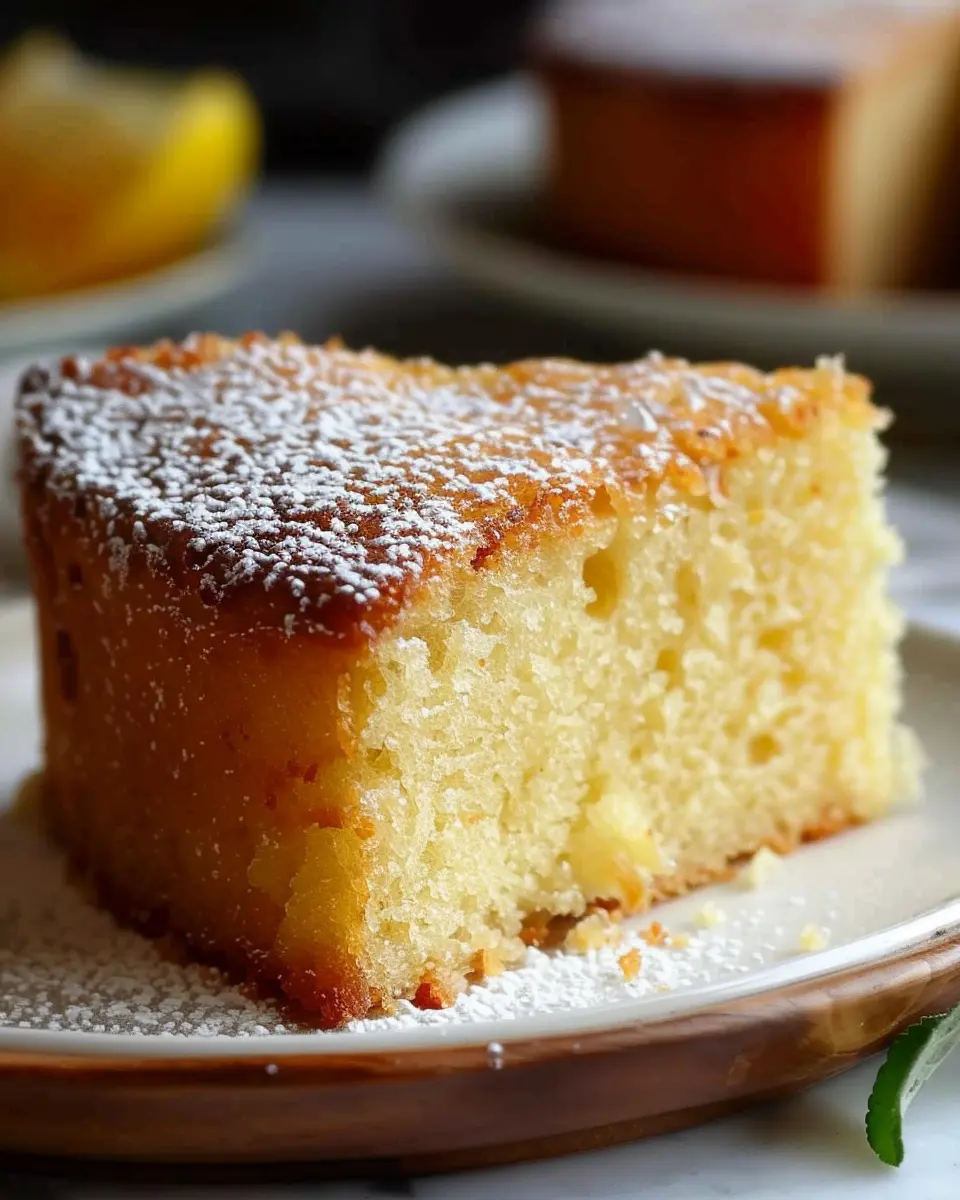
Variations on the Best French Butter Cake
Adding Seasonal Fruits for a Twist
One of the joys of baking the best French butter cake is its versatility. Picture this: it’s summer, and fresh berries are in abundance. Imagine folding in juicy blueberries or tangy raspberries into the batter before baking. These seasonal fruits not only add flavor but also introduce a delightful burst of color, elevating your cake's visual appeal.
In the fall, consider adding sliced apples or pears, perhaps tossed in a hint of cinnamon for that cozy autumn feeling. If you’re feeling adventurous, try a splash of citrus zest for a refreshing zing. The possibilities are endless! Remember to adjust your sugar levels based on the fruit's sweetness to ensure the balance remains just right.
For more fruit inspiration, check out this seasonal fruit guide.
Experimenting with Flavored Extracts
Don’t be afraid to think outside the box when it comes to flavoring your best French butter cake. While vanilla extract remains a classic, experimenting with other flavored extracts can lead to scrumptious results. For instance, a few drops of almond or hazelnut extract can add a delightful, nutty layer to your cake.
You can also venture into using citrus extracts like lemon or orange for a delightful twist. They provide a fresh aroma and bright taste that pairs beautifully with the buttery richness of the cake.
A personal tip: mix a teaspoon of lavender extract into the batter for a subtly floral, sophisticated flavor that is sure to impress your guests. Just remember, a little goes a long way!
Now you’re ready to explore these delightful variations on the best French butter cake. Happy baking!
Cooking Tips and Notes for the Best French Butter Cake
Importance of Ingredient Temperature
The temperature of your ingredients can significantly influence the outcome of your French butter cake. For the best results, make sure your butter and eggs are at room temperature—this ensures they mix more easily and create a lovely, airy batter. Cold ingredients can lead to a dense texture, so plan ahead and let them sit out for about 30 minutes before you start baking. Want to dive deeper into this technique? Check out this guide on ingredient temperatures for more insights.
How to Achieve the Perfect Crumb
To create that light, tender crumb that defines the best French butter cake, it's crucial to cream the butter and sugar thoroughly. This process incorporates air, which gives your cake its fluffiness. Aim for a pale and fluffy mixture—this can take anywhere from three to five minutes. Additionally, gently fold in the flour rather than mixing vigorously. This prevents gluten development and keeps your cake delightful and moist. Remember, patience is key! Enjoy these tips, and watch your cake become a crowd-pleaser at every gathering.
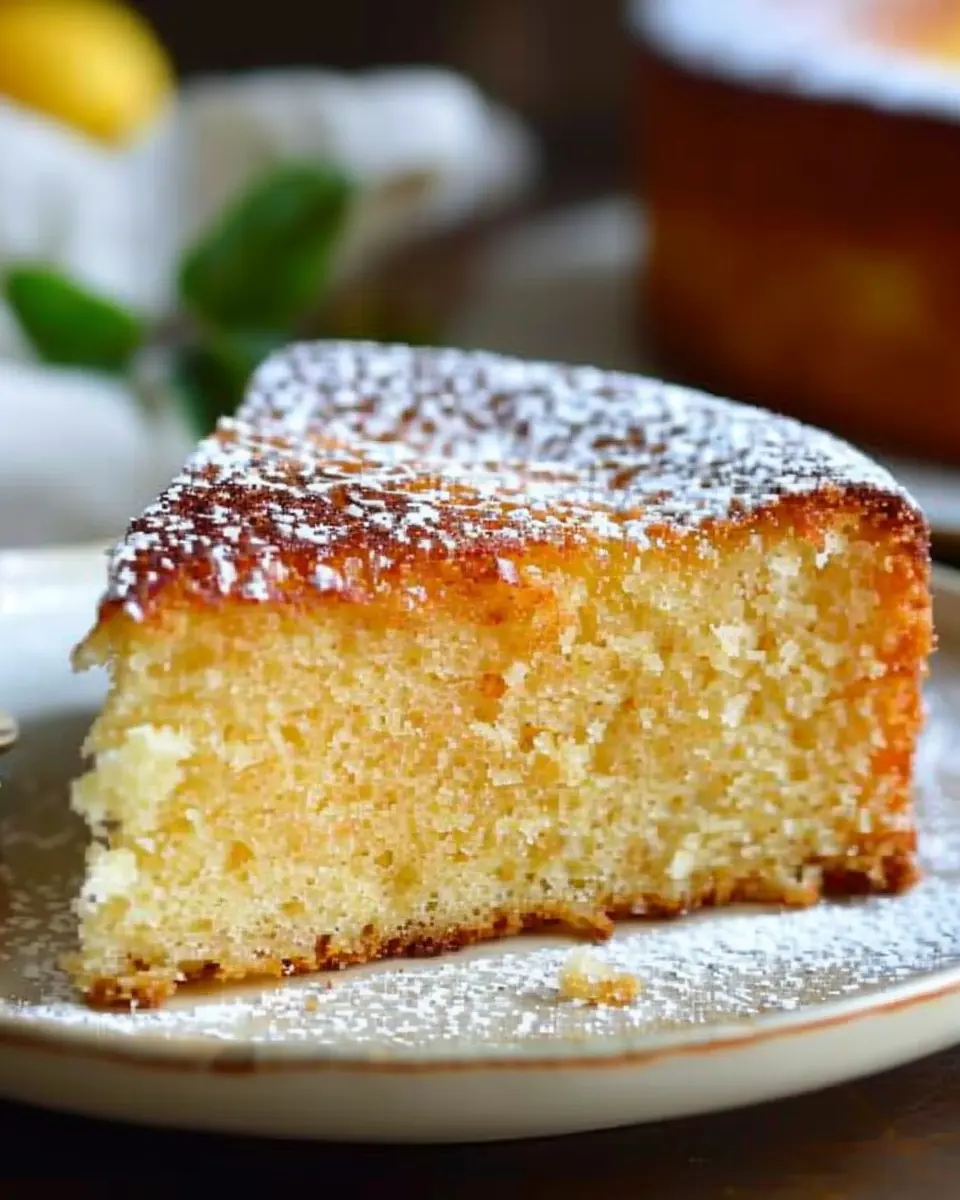
Serving Suggestions for the Best French Butter Cake
Pairing with Fresh Fruit and Whipped Cream
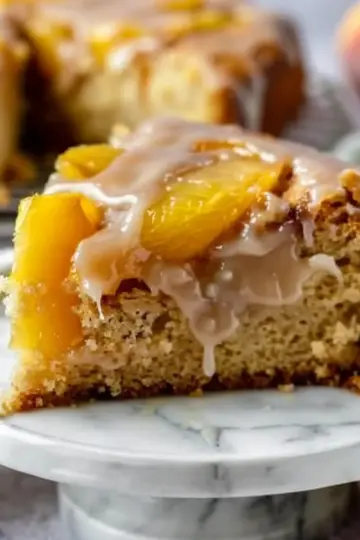
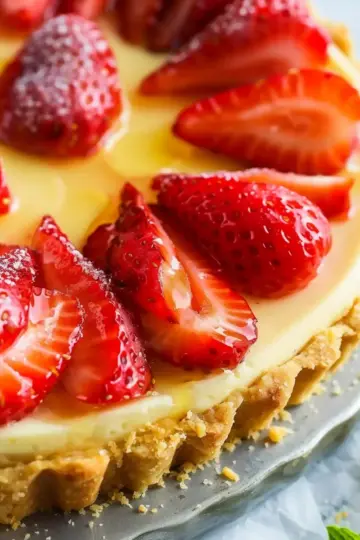
One of the simplest yet most delightful ways to enjoy the best French butter cake is by serving it alongside fresh seasonal fruits. Think strawberries, blueberries, or even ripe peaches, sliced and drizzled with honey. The sweetness of the cake pairs beautifully with the tartness of the fruit, creating a symphony of flavors. To elevate this already delicious pairing, add a dollop of freshly whipped cream. The light, airy texture of the cream complements the dense, buttery cake, making each bite absolutely heavenly.
For an extra touch, consider garnishing with mint leaves or a sprinkle of powdered sugar. This not only enhances the aesthetics but also adds a fresh pop of flavor. Additionally, check out resources like Bon Appétit for creative fruit topping ideas!
Using as a Base for Layer Cakes
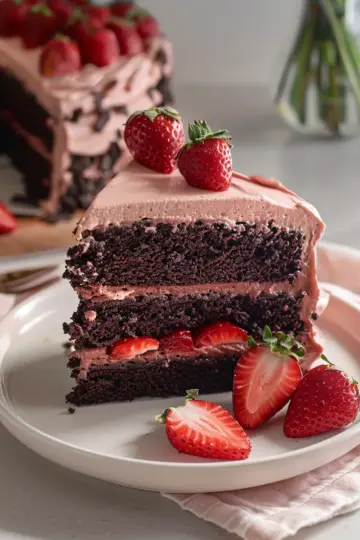
Feeling adventurous? Transform your best French butter cake into an extraordinary layer cake! Slice the cake horizontally into layers and fill them with your choice of frostings, such as a rich chocolate ganache or a zesty lemon curd. This approach adds texture and new flavors to your dessert, perfect for special occasions or simple gatherings.
Don’t forget to experiment with decorations, utilizing fresh fruit, edible flowers, or even a drizzle of caramel sauce to make it visually stunning. For tips on crafting the perfect layer cake, visit Serious Eats. Embrace your creativity and make this versatile cake your own!
Time Breakdown for the Best French Butter Cake
Preparation Time
Making the best French butter cake is simpler than you might think! Start by setting aside about 20 minutes for preparation. This includes gathering ingredients, measuring everything out, and mixing your batter to perfection. It’s all about getting that velvety smooth consistency.
Baking Time
Once prepped, pop it into the oven for 50 to 60 minutes. While it bakes, your kitchen will fill with that heavenly scent of butter and sugar melding together—definitely a mood booster!
Total Time
In just a little over 1 hour and 15 minutes, you can create a delightful masterpiece. Imagine sharing this French butter cake with friends or family—what a treat!
For more tips on perfecting your cake baking skills, you might find this baking guide helpful. Knowing your timing is key to achieving that light, airy texture that makes this cake a standout!
Nutritional Facts for the Best French Butter Cake
When you're indulging in a slice of the best French butter cake, it’s helpful to know what you’re treating yourself to. Let's break down the essential nutritional facts to indulge without worry.
Calories
Each slice of this delightful cake typically contains around 300-350 calories. It's a rich treat, making it perfect for special occasions or a sweet afternoon pick-me-up.
Fats
In terms of fats, you’re looking at roughly 15-20 grams per slice, primarily from the butter. The richness contributes to that incredible texture, but remember, moderation is key!
Sugars
The sugar content is about 20 grams per serving, adding to the appealing sweetness that makes the best French butter cake so irresistible.
For more detailed nutrition information, check out resources like the USDA FoodData Central for a comprehensive breakdown. It’s all about balance—enjoy your cake alongside a healthy meal to complement your dietary goals!
FAQ about the Best French Butter Cake
As you embark on your journey to create the best French butter cake, you might have some questions. Don’t worry; I’ve got you covered!
Can I substitute egg whites for yolks?
While you can technically swap egg whites for yolks, it’s not recommended if you want the rich flavor and tender crumb that defines your cake. The yolks contribute healthy fats and moisture, enriching the texture. If you're looking to make a lighter version, consider using fewer yolks rather than replacing them entirely. Keep in mind, a best French butter cake without yolks might risk drying out.
How do I store leftover cake?
To keep your leftover cake fresh and delicious, store it in an airtight container at room temperature. If you’ve got a particularly warm climate, consider refrigerating it. For longer storage, wrap individual slices in plastic wrap and place them in a freezer-safe bag. This cake can last up to a month in the freezer. Just make sure to let it thaw at room temperature before serving—as it will regain its lovely texture.
What should I serve with the cake?
Pairing your best French butter cake with a delightful beverage can elevate the experience. A cup of hot tea or a rich coffee works beautifully. For a splash of flavor, why not add a dollop of whipped cream or a scoop of vanilla ice cream? Fresh berries or a fruit compote can also bring a refreshing contrast to the buttery richness.
If you're curious about more cake pairing tips or recipes, feel free to visit Serious Eats for inspiration!
Happy baking!
Conclusion on the Best French Butter Cake
Recap of Why This Cake is a Must-Try
If you're searching for a dessert that perfectly balances rich flavor and a light, tender texture, then the best French butter cake is your answer. Its delightful buttery aroma and perfectly moist crumb make it a standout choice for any occasion, from brunch gatherings to cozy evenings at home. Made with simple, quality ingredients, this cake allows the natural flavors to shine.
Top it with fruit or a dusting of powdered sugar, and you have a versatile masterpiece. Trust me, once you experience a slice, you’ll understand why this French classic deserves a permanent spot in your dessert repertoire. For further reading on cake techniques, consider visiting Serious Eats for expert insights!
PrintBest French Butter Cake Recipe: A Delightful Homemade Treat
A rich and buttery cake that's perfect for any occasion.
- Prep Time: 20 minutes
- Cook Time: 70 minutes
- Total Time: 90 minutes
- Yield: 1 loaf 1x
- Category: Dessert
- Method: Baking
- Cuisine: French
Ingredients
- 1 cup unsalted butter
- 1 ½ cups granulated sugar
- 4 large eggs
- 2 teaspoons vanilla extract
- 3 cups all-purpose flour
- 1 tablespoon baking powder
- ½ teaspoon salt
- 1 cup whole milk
Instructions
- Preheat your oven to 350°F (175°C).
- Grease and flour a 9x5 inch loaf pan.
- In a large mixing bowl, cream together the butter and sugar until light and fluffy.
- Add the eggs one at a time, mixing well after each addition. Stir in the vanilla.
- In another bowl, whisk together the flour, baking powder, and salt.
- Gradually add the dry ingredients to the creamed mixture, alternating with the milk, beginning and ending with the flour mixture.
- Pour the batter into the prepared loaf pan.
- Bake for 60-70 minutes or until a toothpick inserted into the center comes out clean.
- Allow the cake to cool in the pan for 10 minutes, then transfer to a wire rack to cool completely.
Notes
- For extra flavor, you can add lemon zest to the batter.
- Serve with fresh berries or whipped cream for a delightful dessert.
Nutrition
- Serving Size: 1 slice
- Calories: 350
- Sugar: 20g
- Sodium: 180mg
- Fat: 25g
- Saturated Fat: 15g
- Unsaturated Fat: 10g
- Trans Fat: 0g
- Carbohydrates: 40g
- Fiber: 1g
- Protein: 4g
- Cholesterol: 80mg
Keywords: French Butter Cake, Butter Cake Recipe, Homemade Cake

Leave a Reply