
Introduction to Vegetable Soup
Vegetable soup is not just a meal; it’s a culinary lifesaver for busy young professionals! After a long day at work, who wants to spend hours slaving over a stove? Enter vegetable soup, a delightful blend of nutrition, flavor, and convenience. With just a few ingredients and minimal prep time, you can whip up a soul-warming dish that satisfies your hunger and nourishes your body.
Why Vegetable Soup is a Game Changer for Young Professionals
For those in the bustling age range of 25 to 35, taking time to cook can often feel like another task on a never-ending to-do list. Busy schedules and endless responsibilities can make healthy eating a challenge. This is where vegetable soup shines.
-
Quick to Prepare: Most vegetable soups can be thrown together in about 30 minutes. You can even make a large batch ahead of time and store it in the fridge or freezer for easy meals throughout the week.
-
Budget-Friendly: Fresh vegetables, even those that aren't perfectly ripe, can be transformed into a flavorful dish. Check the local farmer's market or grocery store for seasonal produce and save on costs.
-
Nutritional Benefits: Packed with vitamins and minerals, vegetable soup is not only filling but also a fantastic way to incorporate more vegetables into your diet. According to the CDC, only about 1 in 10 adults meet the daily recommendations for vegetables. A hearty bowl of soup can get you on the right track!
-
Customizable: Whether you’re a fan of carrots, spinach, or maybe adding some turkey bacon for a smoky flavor, you can customize your vegetable soup each time. This is a great way to use up leftover veggies in your fridge.
-
Comfort Food: Let’s be honest—there's something soothing about a warm bowl of soup on a cool evening. It provides not just nourishment but also a sense of comfort that can ease your mind after a hectic day.
If you're ready to elevate your weeknight meals, it's time to embrace the magic of vegetable soup. Not only will you love the taste and convenience, but your body will thank you for it! For more insights into crafting the perfect soup, you can explore additional cooking resources like BBC Good Food or EatingWell. Let's dive into the delicious world of vegetable soup recipes!
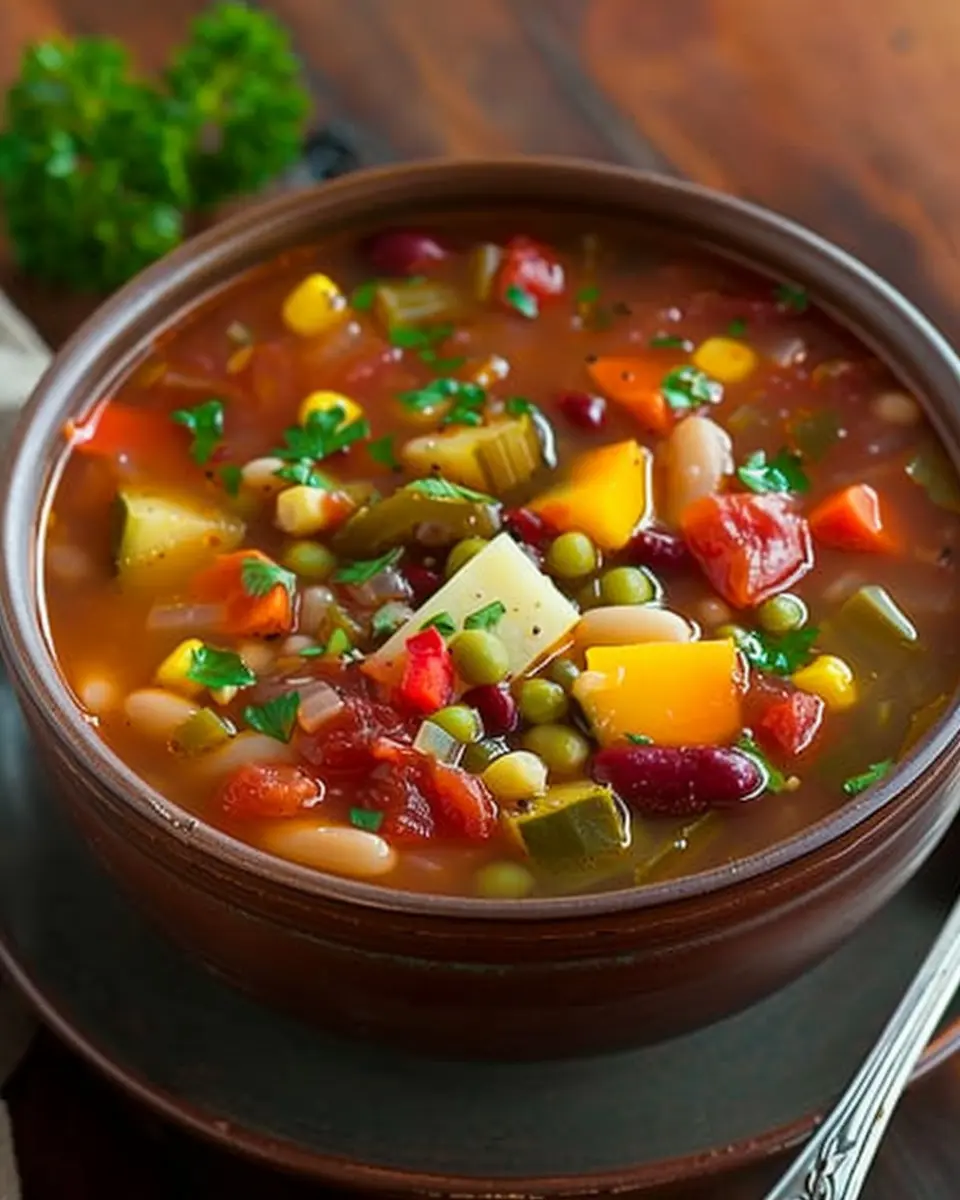
Essential Ingredients for a Flavorful Vegetable Soup
When it comes to preparing a delightful vegetable soup, the key lies in using fresh and vibrant ingredients. Here’s a handy list to get you started:
- Fresh Vegetables: Carrots, celery, and bell peppers are essential for that aromatic base. Feel free to add zucchini or green beans for extra texture.
- Onions and Garlic: Don’t underestimate the power of these two! They add depth and aroma to your soup.
- Herbs and Spices: Bay leaves, thyme, and a sprinkle of black pepper can elevate your soup from ordinary to extraordinary.
- Broth: Using vegetable or chicken broth provides a rich flavor. If you prefer a lighter taste, opt for water or homemade stock.
- Protein Addition: For some heartiness, consider adding diced turkey bacon or chicken ham. They’ll lend savory notes without overpowering the veggies.
Take a moment to think about your favorite flavors or seasonal produce. This vegetable soup is versatile enough for you to experiment and tailor to your taste! Want to discover more about the health benefits of each ingredient? Check out resources from Healthline for expert insights.
With these essentials, you’ll create a wholesome, satisfying dish perfect for any occasion.
Step-by-Step Preparation of Vegetable Soup
Creating a hearty vegetable soup is not just about following a recipe; it’s a delightful experience that warms the soul. Let's dive into the process and make a delicious pot of vegetable goodness that nourishes both you and your spirit. Here’s a friendly guide to help you whip up this comforting dish step-by-step.
Gather and Prep Your Ingredients
Before you jump into cooking, let’s take a moment to gather our ingredients and get them prepped. This is the perfect time to embrace your inner chef! Here’s what you’ll need:
- Vegetables: Choose from onions, carrots, celery, garlic, tomatoes, zucchini, and any seasonal veggies you love.
- Herbs and Spices: Fresh thyme, bay leaves, and a pinch of salt and pepper work wonders.
- Broth: Opt for vegetable broth or chicken broth if you’d like a non-vegetarian version.
- Protein: Feel free to add in turkey bacon or chicken ham for a heartier soup.
Prep your veggies by washing, peeling, and chopping them into bite-sized pieces. Having everything ready not only speeds up the cooking process but also helps avoid a messy kitchen. Consider using a handy guide like those from Healthline to understand the nutritional benefits of the vegetables you choose.
Sautéing the Aromatics
Now that everything is prepped, it’s time to bring flavors to life by sautéing the aromatics! In a large pot, heat up a tablespoon of olive oil over medium heat. Once hot, add diced onions, minced garlic, and chopped carrots. Sauté these for about 5-7 minutes until they become fragrant and start to soften.
This is where the magic happens. The aromatics not only fill your kitchen with an irresistible aroma but they also lay the foundation of flavor for your vegetable soup. If you’re feeling adventurous, sprinkle in some red pepper flakes or a dash of cumin for extra depth!
Adding the Broth and Main Vegetables
Once your aromatics are beautifully sautéed, it’s time to add the broth. Pour in around 6-8 cups of vegetable or chicken broth—enough to cover your vegetables. Now, it’s showtime for your main vegetables! Toss in the zucchini, tomatoes, and any other favorites you have.
Give everything a good stir, then add in your herbs (thyme and bay leaves) along with salt and pepper. The warmth from the broth combined with the fresh veggies creates a delightful medley just waiting to be savored.
Simmering to Perfection
This is one of the best parts: waiting for the flavors to meld while the soup simmers away. Bring the pot to a gentle boil, then reduce the heat to low. Let it simmer for about 20-30 minutes, stirring occasionally.
You’ll know it’s ready when the veggies are tender but not mushy. If you prefer your soup chunky, this is a great time to taste and adjust seasoning, adding more salt and pepper as needed. Remember, cooking is all about personal preference!
Final Touches and Serving
As the vegetable soup reaches its finale, it’s all about those last-minute enhancements. Remove the bay leaves and any sprigs of thyme left behind. If you’re feeling fancy, a splash of lemon juice or a handful of fresh herbs, like parsley or cilantro, adds a refreshing zing.
Serve your soup in warm bowls and garnish with a sprinkle of cheese or chili flakes, if you wish. Pair it with some crusty bread or a simple salad for a complete meal. As you take your first sip, reflect on the process—a meditative moment amidst a busy life.
Now that you know how to make this nourishing dish, why not share your experience? Happy cooking! And feel free to check out resources like BBC Good Food for additional tips and tricks to elevate your cooking game.
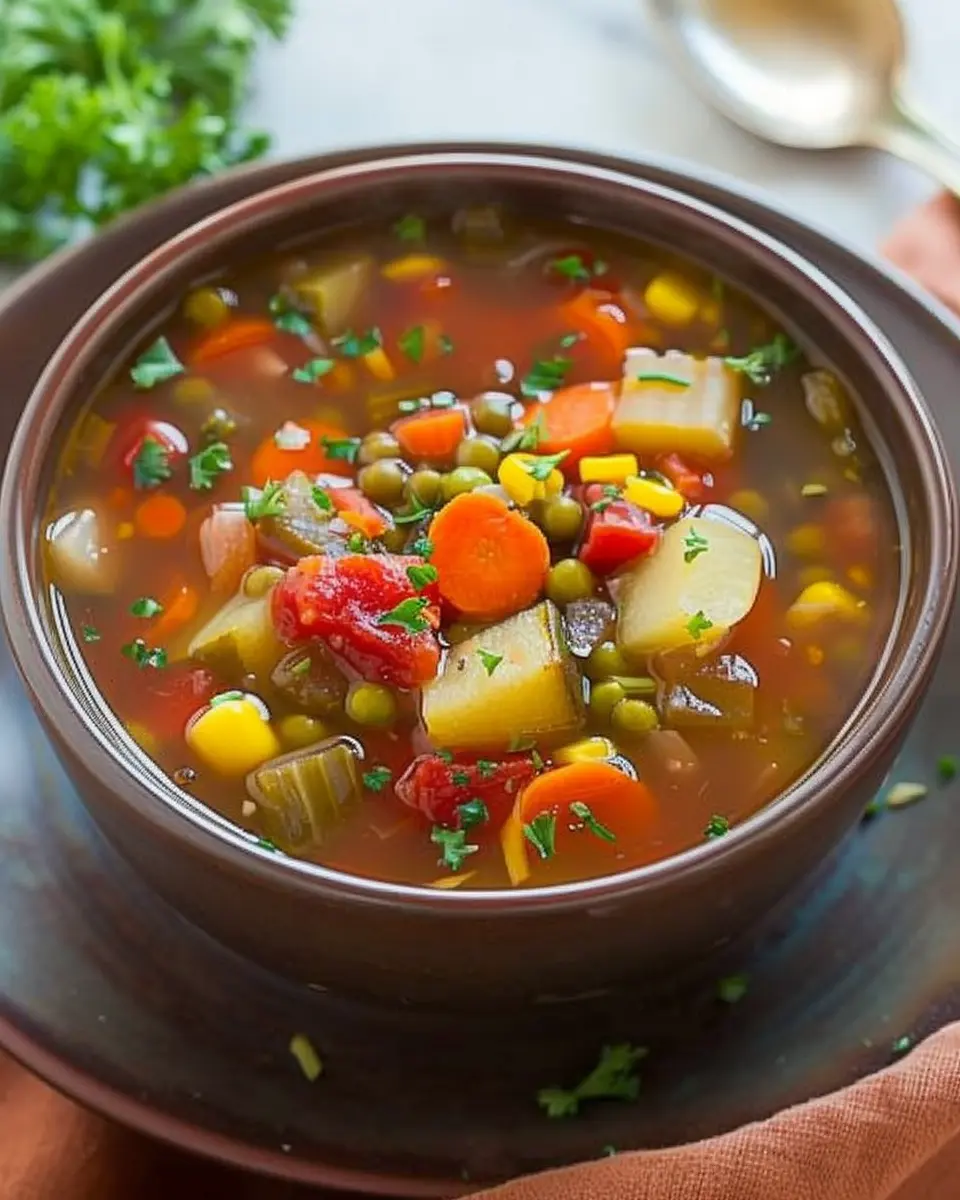
Variations on Vegetable Soup
When it comes to vegetable soup, the possibilities are endless. It's a forgiving dish that allows you to experiment with flavors, textures, and ingredients. Here are three delightful variations to inspire your next bowl!
Hearty Lentil Vegetable Soup
For a filling twist, consider making a hearty Lentil Vegetable Soup. The combination of lentils and your favorite veggies creates a protein-packed meal that warms the soul. Start with a base of onions, carrots, and celery, then toss in:
- 1 cup of lentils (green or brown)
- 2-3 cups of chopped vegetables (think spinach, zucchini, or bell peppers)
- Italian herbs such as basil and oregano for flavor
Simmer everything in vegetable broth until the lentils are tender. This soup is not only comforting but also an excellent way to boost your fiber intake. Plus, lentils are gluten-free, making them a fantastic ingredient for various dietary preferences.
Spicy Vegetable Soup with a Kick
If you're looking to spice things up, try a Spicy Vegetable Soup. Start with the classic base and then add a few spicy elements:
- 1-2 diced jalapeños, depending on your heat preference
- 1 teaspoon of chili powder
- Fresh cilantro for garnish
This version is perfect for cold nights or when you need a flavorful pick-me-up. Serve it with a dollop of avocado for creaminess.
Creamy Vegetable Soup (Dairy-Free Options)
Craving something rich? Enter Creamy Vegetable Soup. Using coconut milk or cashew cream can give you that creamy texture without the dairy. Start by sautéing your veggies, then blend them with:
- 1 can of coconut milk
- Vegetable broth to achieve your desired consistency
This silky pot of goodness is not only satisfying but also packed with vitamins. It's a versatile dish, allowing you to throw in any veg languishing in your fridge!
Consider trying these variations to breathe new life into your vegetable soup game. Don't forget to share your own twists on this classic dish!
Cooking Tips and Notes for Vegetable Soup
Boosting Flavor: Herbs and Seasonal Ingredients
When it comes to vegetable soup, fresh herbs can elevate the flavors dramatically. Consider adding a handful of chopped parsley or basil right before serving for a burst of freshness. Seasonal ingredients like squash, kale, or tomatoes not only provide rich flavors but also ensure you're enjoying the best produce throughout the year.
Mixing in a splash of lemon juice or a drizzle of balsamic vinegar can add a delightful tang. Need inspiration? Check out this guide to seasonal vegetables to find what’s at its peak in your area.
Essentials for a Perfect Broth
A flavorful broth is the backbone of any vegetable soup. Start with water or vegetable stock, but you can enhance it by simmering it with aromatics like onions, celery, and carrots. For an extra layer of depth, try adding a piece of seaweed, like kombu, which is packed with umami.
Don't forget to season well! A pinch of salt and pepper goes a long way in bringing out the natural tastes of the veggies. If you’re aiming for a heartier soup, consider incorporating ingredients like turkey bacon or chicken ham for added flavor.
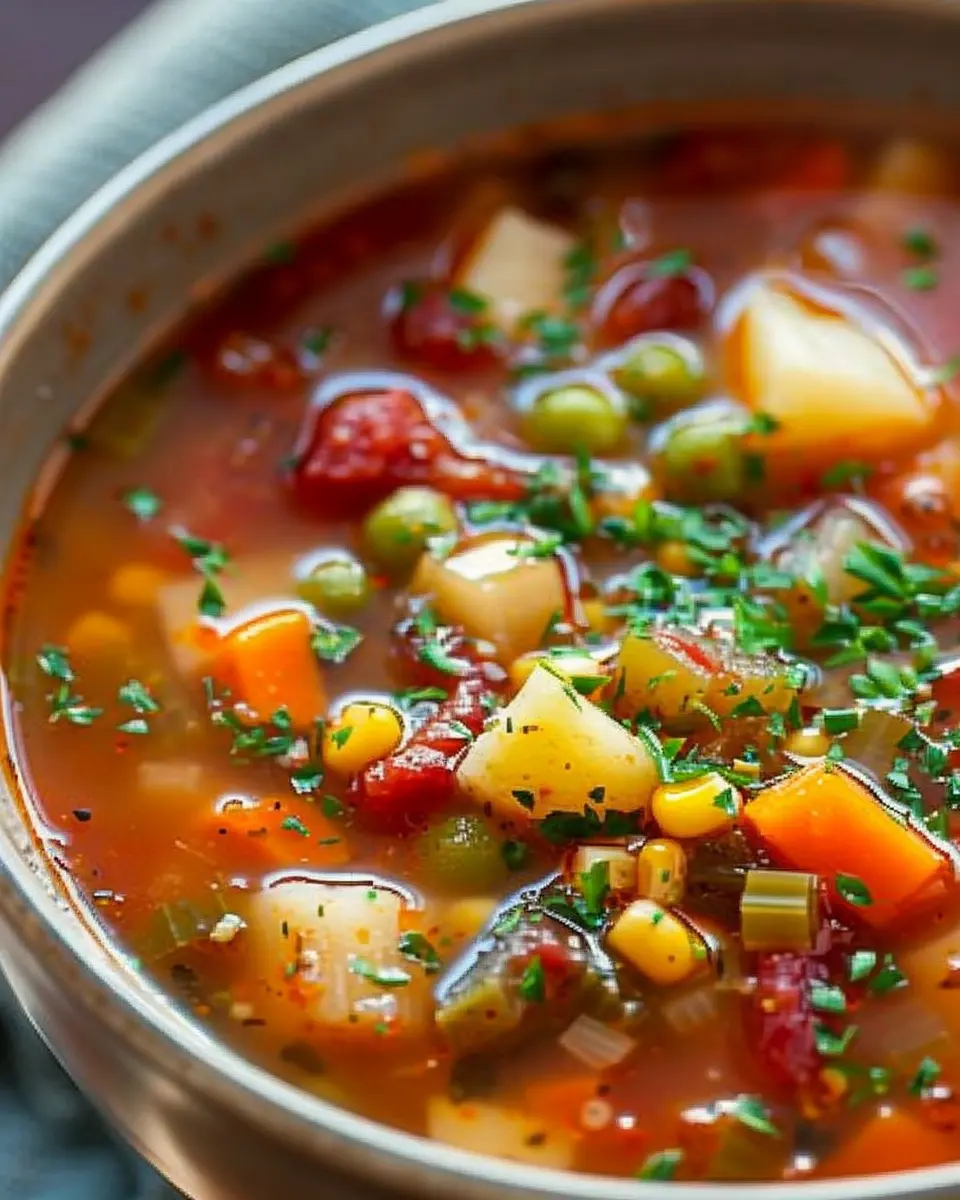
Serving Suggestions for Vegetable Soup
Pairing with Homemade Bread
There’s something truly delightful about enjoying a warm bowl of vegetable soup alongside a slice of homemade bread. The crusty exterior and soft interior of freshly baked bread can complement the vibrant flavors of the soup beautifully. You might consider making a classic sourdough or a savory garlic bread to soak up all that delicious broth. If baking isn’t your thing, a good store-bought baguette or artisanal loaf can do the trick!
Garnishing for Presentation
Presentation is key, especially when you’ve put so much love into making your vegetable soup. An attractive garnish elevates the dish — think fresh herbs like basil or parsley, a sprinkle of chili flakes for a hint of heat, or a drizzle of olive oil or a balsamic reduction for an elegant touch. Not only do these enhancements look appealing, but they also add layers of flavor. For more tips on garnishing, check out these expert ideas.
Whether it’s a cozy night in or a gathering with friends, serve your vegetable soup with style and flair!
Time Breakdown for Vegetable Soup
Preparation Time
Getting your ingredients ready for vegetable soup is half the fun! For this recipe, set aside about 15 minutes. You'll want to chop your veggies, measure your spices, and, if you're using Turkey Bacon or Chicken Ham, slice those up too. It's all about the prep, and if you’re quick with your knife skills, it can even be a stress-reliever.
Cooking Time
The cooking process takes around 30-40 minutes. Once you’ve sautéed your ingredients and added your stock, let the soup simmer on low heat. This allows all those delicious flavors to meld together beautifully. Remember, patience is key!
Total Time
In total, you're looking at approximately 45-55 minutes from start to finish. That’s a small commitment for a big bowl of heartwarming goodness! Perfect for busy weeknights, and it also keeps well for leftovers. Need some ideas on what to do with those? Check this link for handy tips. Enjoy making your delicious vegetable soup!
Nutritional Facts for Vegetable Soup
Calories per Serving
When you're cozying up with a steaming bowl of vegetable soup, you can feel good about indulging without the guilt. A typical serving of homemade vegetable soup contains around 100-150 calories, depending on the specific ingredients you use. This makes it a fantastic choice for those watching their calorie intake while still enjoying a hearty meal. Just imagine – a filling dish that doesn’t weigh you down!
Key Nutrients to Note
Now, let’s talk about the nutritional power packed into that bowl. Vegetable soup is often brimming with vitamins and minerals, including:
- Fiber: Promotes healthy digestion and keeps you feeling full longer.
- Vitamins A, C, and K: Essential for immune function and overall health.
- Antioxidants: Found in a variety of vegetables, these can help combat free radicals.
Additionally, the broth can add a hydrating element, especially if made with nutrient-rich stocks. For more information on specific nutrients, you can check out resources from the USDA FoodData Central or Healthline.
Crafting your own vegetable soup not only gives you control over ingredients but allows you to tailor it to your taste while maximizing its benefits. Plus, it's an excellent way to use up those extra veggies in your fridge!
FAQs about Vegetable Soup
Can I use frozen vegetables in my soup?
Absolutely! Using frozen vegetables in your vegetable soup is not just fine; it can be a game-changer! They’re often flash-frozen right at the peak of freshness, so you can enjoy seasonal flavors year-round. Just toss them in towards the end of the cooking process to ensure they retain their texture. According to the USDA, flash-frozen produce can sometimes have even more nutrients than fresh veggies that have been stored for a while. So, go ahead and pull that bag from the freezer!
What are the best storage practices for leftover soup?
Leftover vegetable soup can be a delicious lifesaver for busy days, but proper storage is key to keeping it fresh. Here are some tips:
- Cool it down: Let your soup cool to room temperature before refrigerating—never leave it out for more than two hours.
- Use airtight containers: Store in airtight containers to minimize exposure to air, which can spoil the soup faster.
- Label and date: To keep track, label your containers with the date. Generally, vegetable soup lasts up to 4-5 days in the fridge.
- Freezing is an option: If you won’t finish it in time, consider freezing your soup for up to three months. Portioning it into single servings can make reheating a breeze!
How can I make my vegetable soup more filling?
If you want to turn your vegetable soup into a heartier meal, consider adding protein or grains. Here are some ideas:
- Legumes: Add lentils or chickpeas to boost nutritional value and add substance.
- Whole grains: Quinoa, barley, or brown rice can make your soup more satisfying. Plus, they add great flavor!
- Turkey Bacon or Chicken Ham: For a flavorful twist, incorporate diced turkey bacon or chicken ham. These lean options keep your soup light while adding depth.
Exploring various ingredients can elevate your vegetable soup while keeping it nutritious and filling. For more tips on meal prep and storage, check out this expert guide. Enjoy your cooking!
Conclusion on Vegetable Soup
Embracing Homemade Meals for a Healthier Lifestyle
Making vegetable soup at home is a simple yet rewarding way to invest in your well-being. By choosing fresh ingredients, you can tailor the flavors to your liking while boosting your nutrient intake. Did you know that homemade meals often contain fewer preservatives and additives than store-bought options? Plus, as you learn to experiment with different vegetables and seasonings, you’ll discover new favorites and expand your culinary skills.
As you embark on your cooking journey, remember that each bowl of vegetable soup is more than just a meal—it's a step toward a healthier you. Dive into the world of homemade meals and savor every sip! For more inspiration, check out resources from the Nutrition.gov and Eatright.org.
PrintVegetable Soup Delight: Easy Recipe for Homemade Comfort

A comforting and easy-to-make vegetable soup that warms the heart and nourishes the body.
- Prep Time: 10 minutes
- Cook Time: 25 minutes
- Total Time: 35 minutes
- Yield: 4 servings 1x
- Category: Soup
- Method: Stovetop
- Cuisine: Comfort Food
- Diet: Vegetarian
Ingredients
- 2 cups mixed vegetables (carrots, peas, corn)
- 1 tablespoon olive oil
- 1 teaspoon garlic, minced
- 4 cups vegetable broth
- 1 teaspoon salt
- ½ teaspoon black pepper
- 1 tablespoon fresh herbs (like parsley or thyme)
Instructions
- Heat the olive oil in a large pot over medium heat.
- Add the garlic and sauté for 1 minute until fragrant.
- Add the mixed vegetables and cook for another 5 minutes.
- Pour in the vegetable broth, salt, and pepper, then bring to a boil.
- Reduce heat and simmer for 15-20 minutes.
- Stir in fresh herbs before serving.
Notes
- Feel free to add any leftover vegetables you have on hand.
- For a creamier soup, blend a portion of the soup after cooking.
Nutrition
- Serving Size: 1 bowl
- Calories: 150
- Sugar: 3g
- Sodium: 600mg
- Fat: 5g
- Saturated Fat: 1g
- Unsaturated Fat: 3g
- Trans Fat: 0g
- Carbohydrates: 24g
- Fiber: 5g
- Protein: 4g
- Cholesterol: 0mg
Keywords: vegetable soup




Leave a Reply