
Introduction to Artisan Pizza Dough
Discover the joy of homemade pizza
Making artisan pizza dough at home can be one of the most fulfilling culinary experiences. Have you ever thought about how great it would be to customize your pizza night, especially with friends or family? When you roll up your sleeves and dive into creating your own dough, you're not just making a meal; you're crafting an experience.
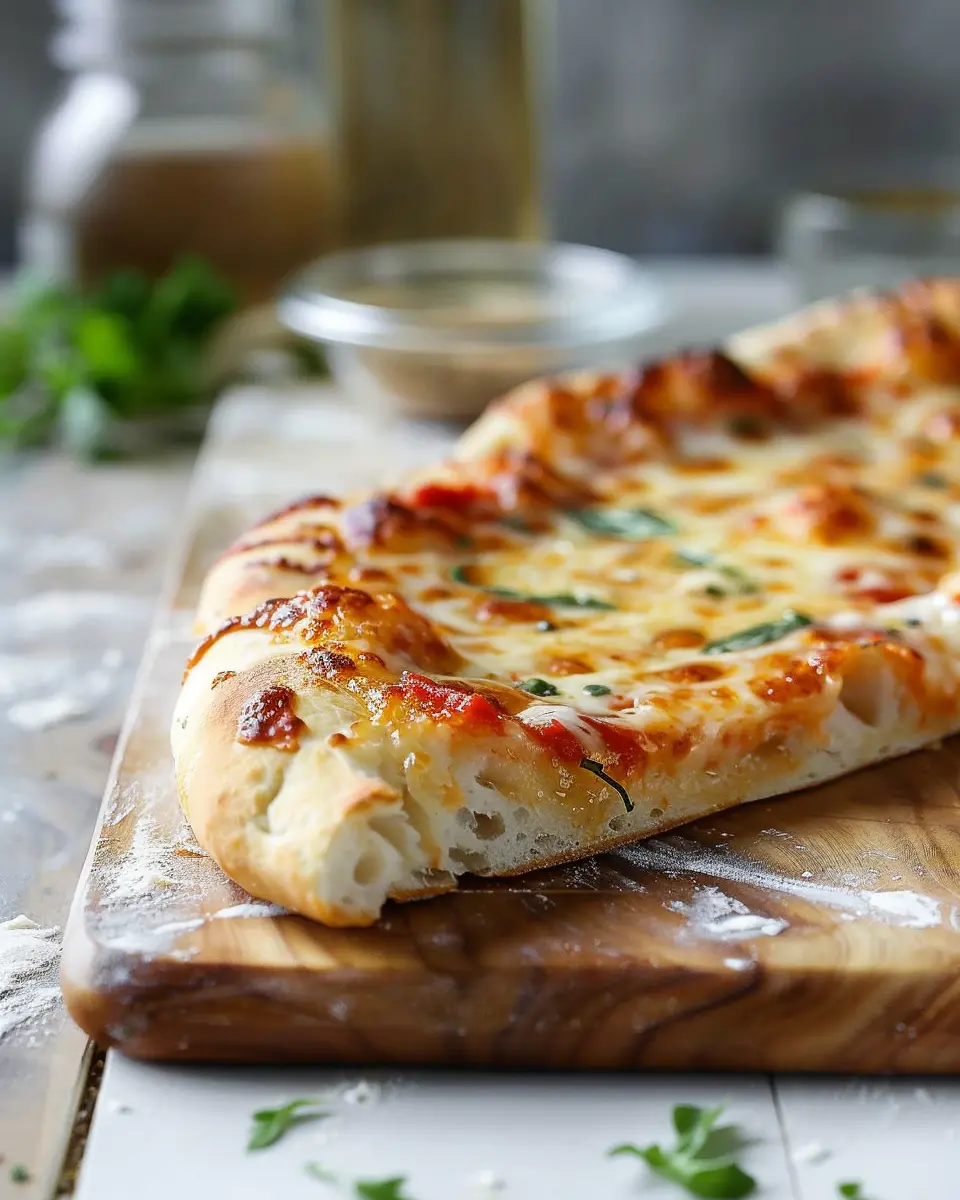
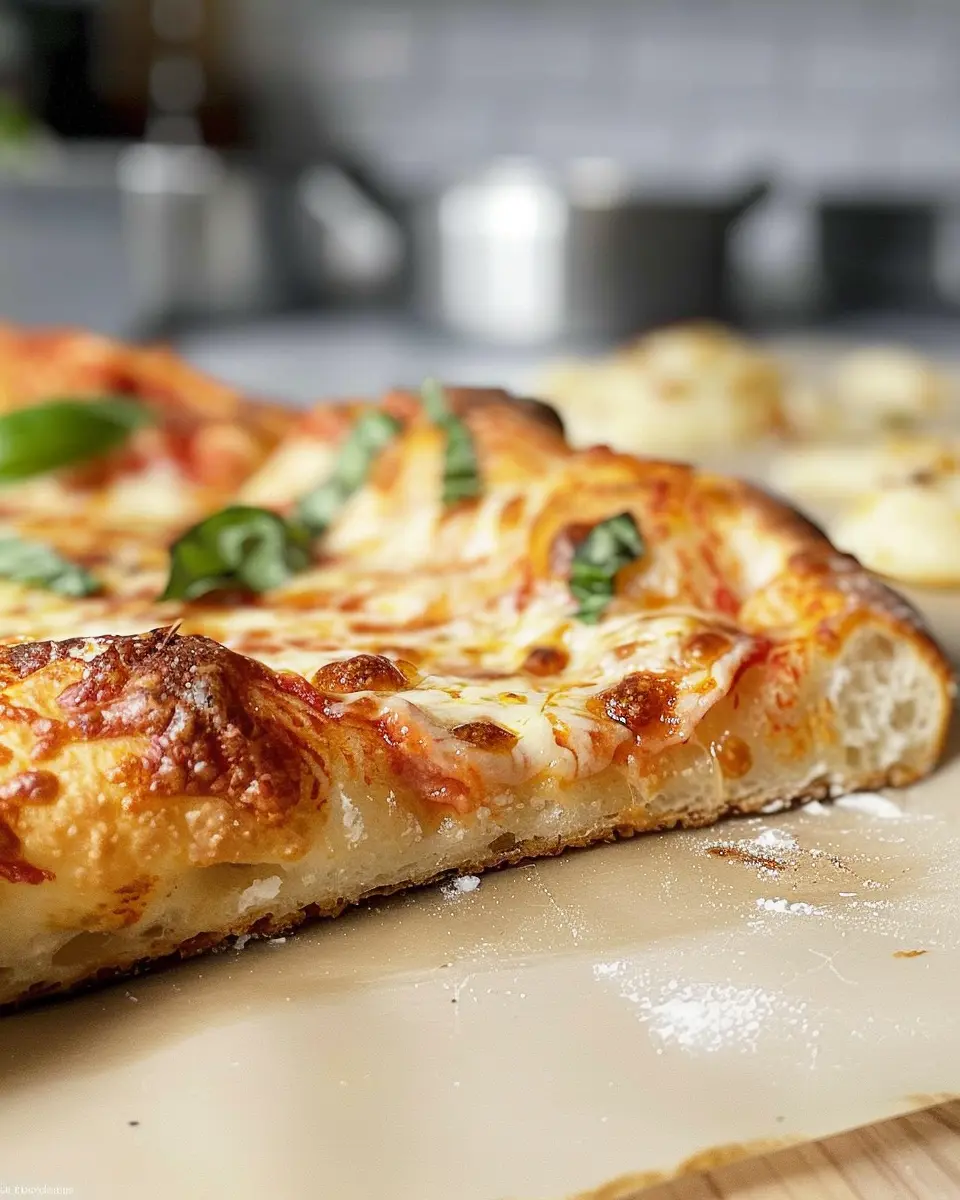
The beauty of homemade artisan pizza dough lies in its simplicity and flexibility. By using just a few high-quality ingredients—flour, water, salt, and yeast—you can create a crust that is crispy on the outside, chewy on the inside, and bubbly all over. Did you know that according to the American Institute of Baking, the average person consumes about 23 pounds of pizza annually? Doesn’t it sound delightful to know you can elevate your pizza game at home?
Now, you might wonder, "What makes artisan pizza dough so special?" The answer lies in the fermentation process. Allowing the dough to rise slowly results in a depth of flavor and texture that store-bought options can’t replicate. The longer the dough ferments, the more complex its flavor becomes. You might want to check out resources like King Arthur Baking for more tips on the science of dough making.
Aside from flavor, making artisan pizza dough is also about tradition. Just imagine the aroma wafting through your kitchen as you prepare your dough. Picture using fresh ingredients, drizzling olive oil, and choosing toppings that excite your palate, from tangy marinara to creamy mozzarella, and even delightful toppings like turkey bacon or chicken ham.
The great thing about homemade pizza is that you can cater to your cravings or dietary needs easily. Whether you're feeling adventurous with toppings or wanting to keep it classic with just cheese, the choice is yours! Soon, you'll see that making your own pizza dough is not just about food; it’s about sustainable dining and sharing delicious moments. Get ready to impress your friends and family with artisan pizza dough that truly shines!

Ingredients for Artisan Pizza Dough
Crafting the perfect artisan pizza dough is an art that combines simple, high-quality ingredients into a delightful masterpiece. Here’s what you’ll need:
Essential components for a perfect crust
- Flour: For that ideal chewy texture, use a high-protein bread flour. It creates gluten that gives your crust structure while maintaining that coveted chewiness.
- Water: Preferably filtered or spring water, it's essential for hydration. Aim for a temperature around 100°F for optimal yeast activation.
- Yeast: Choose active dry yeast or instant yeast. This little powerhouse is crucial for that airy, bubbly rise—without it, your dough will be flat!
- Salt: Not just for flavor, but it also strengthens gluten structure and helps control fermentation. Sea salt or kosher salt works wonders.
- Olive Oil: A splash enriches the dough and contributes a lovely flavor—extra virgin olive oil is your best bet.
Each ingredient plays a pivotal role in achieving that crispy, chewy, bubbly crust. For more tips on dough techniques, check out resources from Serious Eats or King Arthur Baking. So, are you ready to whip up some deliciousness? Get those ingredients ready and let’s dive into the world of artisan pizza!
Preparing Artisan Pizza Dough
Crafting the perfect artisan pizza dough is a delightful endeavor that elevates your pizza-making game. It's not just about tossing some flour and water together; it’s a journey of flavors and textures. Let’s roll up our sleeves and dive into the process!
Mixing the Dough
The foundation of any great pizza starts with the dough. For your artisan pizza dough, you’ll need:
- 500g bread flour
- 325ml warm water (about 100°F)
- 10g sea salt
- 2g active dry yeast
To begin, mix the flour and salt in a large bowl. In a separate container, dissolve the yeast in the warm water. Let that sit for about five minutes until it becomes frothy – a sign that your yeast is alive and ready! Now, combine the wet and dry ingredients using a wooden spoon. It’ll look rustic and shaggy at first, but that’s alright. You want to avoid overmixing; the goal is to just bring everything together.
Resting and Developing Gluten
After mixing, let your dough rest for about 20 to 30 minutes; this is called the autolyse phase. During this time, the flour absorbs the water, and gluten starts to develop. Gluten is essential for that perfect artisan pizza dough structure you're aiming for.
Why is resting important? According to the experts at King Arthur Baking, this period allows enzymes in the flour to break down starches into sugars, which provides your dough with better flavor and texture (source). Plus, it makes the dough easier to handle later on.
Folding to Create Structure
After resting, it's time to strengthen that gluten even further. Here’s where you bring some finesse into the mix. Lightly flour your work surface, and then turn the dough out. Gently stretch and fold the dough over itself from all sides, a process known as folding. This should take about 3-4 folds.
You’ll want to perform this folding technique every 30 minutes during the first 2-3 hours of fermenting. Allowing the dough to develop in this manner will give you the crispy, chewy texture that artisan pizzas are known for.
Shaping Dough Balls
Once your dough has fermented and is nicely swollen, divide it into several portions (typically 200-250g each). To shape them into balls, gently pull the edges of the dough toward the center, creating surface tension on top. Flip the ball over and cup it with your hands, rotating it to tighten the shape. This technique establishes a taut surface that helps the dough hold its shape during rising.
Let’s face it, no one enjoys a flat pizza! A well-shaped dough ball ensures you end up with that delightful puffy crust when baked.
Final Rise Before Baking
Now the dough balls need to rest one last time. Place them on a floured surface or in a lightly oiled container, cover them with a damp cloth, and let them rise for about 1-2 hours, or until they double in size. At this stage, you may be tempted to start preheating that oven to the max, but waiting is key!
Why? Because this final rise allows the yeast to work its magic, creating those lovely air pockets that will eventually result in a bubbly crust. For best results, let the dough rest in a warm location. You might consider placing it near a sunny window or slightly warmed area in your kitchen.
Once the dough has completed its final rising stage, it’s ready for the ultimate test: baking. Armed with your artisan pizza dough, you’re just a step away from creating a delicious masterpiece.
Feel free to check out more tips and techniques on pizza-making at Serious Eats for expert insights. Enjoy the journey!
Variations on Artisan Pizza Dough
Whole Wheat Artisan Pizza Dough
Have you ever considered giving your artisan pizza dough a nutritious twist? Whole wheat flour is a fantastic substitute that not only boosts fiber content but also adds a slightly nutty flavor. Using whole wheat flour can transform your pizza from a simple meal to a wholesome dining experience.
To create your whole wheat version, simply substitute half of the all-purpose flour in your recipe with whole wheat flour. You may need to adjust the water slightly, as whole wheat flour absorbs more moisture. A great tip is to let the dough rest for 30 minutes before kneading; this helps the flour fully hydrate and results in a better texture.
Many are raving about the health benefits of whole grains, such as improved heart health and digestion. For more tips on integrating whole grains into your diet, check out resources from Whole Grains Council.
Gluten-Free Artisan Pizza Dough
If you're in a gluten-free lifestyle or catering to friends with dietary restrictions, fear not! You can still enjoy delicious artisan pizza dough. Gluten-free flours like almond flour, brown rice flour, or chickpea flour can replace regular flour, creating a crust that is crispy yet satisfying.
For a basic gluten-free artisan pizza dough, combine a mix of gluten-free flour, xanthan gum (to mimic gluten’s elasticity), warm water, olive oil, and a pinch of salt. Let the dough rise for about an hour, as this helps develop flavor and texture.
Gluten-free diets can make pizza night feel restrictive, but with the right substitutes and techniques, you'll be enjoying your share of bubbly, cheesy goodness in no time! For guidelines on gluten-free living, you might find Celiac Disease Foundation helpful.
With these variations, your artisan pizza dough can cater to any preference, making pizza night a delicious and inclusive experience!
Cooking Tips and Notes for Artisan Pizza Dough
Tips for Achieving the Perfect Crust
Creating artisan pizza dough doesn’t have to be daunting! Here are some essential tips:
- Quality Ingredients: Use high-protein flour for better gluten development, which leads to that coveted chewiness.
- Hydration Matters: The right water-to-flour ratio is crucial. Aim for about 60-65% hydration for a nice, bubbly crust.
- Long Fermentation: Allowing your dough to ferment in the fridge for 24-72 hours enhances flavor and texture.
- Preheat Your Oven: Ensure your oven is at its highest setting, ideally above 500°F (260°C), for that crispy crust.
Common Mistakes to Avoid
Even seasoned home cooks can slip up. Watch out for these pitfalls:
- Under-Kneading: Don’t rush the kneading process; this step develops gluten, contributing to chewy texture.
- Skipping the Rest: Always let your dough rest after kneading. It makes stretching much easier and prevents tearing.
- Too Much Topping: Less is more! Overloading your pizza can make it soggy. Stick to a few quality toppings and let the artisan pizza dough shine.
Curious about more techniques? Check out resources from experts like Serious Eats for additional insights!
Serving suggestions for Artisan Pizza Dough
Creating the perfect pizza starts with your artisan pizza dough, but what comes next? Here are some delightful serving suggestions that will elevate your homemade pie—whether you’re hosting a casual dinner or enjoying a cozy night in.
Classic toppings for your homemade pizza
Stick to the tried-and-true toppings for a crowd-pleaser:
- Margherita: Fresh mozzarella, ripe tomatoes, and basil create a classic Italian flavor.
- Pepperoni: You can’t go wrong with spicy turkey pepperoni that adds a nice kick.
- Vegetarian: Load it up with bell peppers, onions, olives, and spinach for a colorful dish.
For more on classic pizza toppings, check out Serious Eats for inspiration.
Creative combinations to try
Ready to think outside the pizza box? Here are some innovative ideas to wow your taste buds:
- Pesto Chicken: Swap out red sauce for pesto, top it with chicken ham and arugula.
- BBQ Feast: Use barbecue sauce as a base, then add beef, red onions, and cilantro for a smoky twist.
- Mediterranean Delight: Combine feta, kalamata olives, sun-dried tomatoes, and artichoke hearts over a garlic-infused base.
Experimenting with artisan pizza dough has never been this fun! Who knows—you might just invent the next great pizza trend.
Time breakdown for Artisan Pizza Dough
When it comes to making artisan pizza dough, understanding the timing can make all the difference. Here’s a quick breakdown to guide you through the process:
Preparation time
Begin your journey into pizza making with about 15 to 20 minutes to prepare your dough. This includes mixing your ingredients without any rush. The magic is in the kneading!
Rising time
Patience is key! Allow your artisan pizza dough to rise for at least 1 to 2 hours in a warm space. This step is crucial for developing that delightful texture and flavor. You could even opt for a slow rise overnight in the fridge for deeper flavor—just remember, good things come to those who wait! Check out this article on dough fermentation for more insights.
Baking time
Finally, once your dough is shaped and topped with your favorite ingredients, it will need about 10 to 15 minutes in a hot oven (around 475°F/245°C) to achieve that perfect crispy and chewy crust. Trust me; your patience will be rewarded with a bubbly, mouthwatering pizza!
With this timing guide, you're on your way to enjoying homemade artisan pizza in no time!
Nutritional facts for Artisan Pizza Dough
When you whip up a batch of artisan pizza dough, there’s a lot to consider in terms of nutrition. Let’s break down the calories and macros per serving to help you make informed choices.
Calories and macros per serving
A typical serving of your homemade artisan pizza dough is about ¼ of the dough, which can clock in at approximately 150 calories. You'll be getting:
- Carbohydrates: 30g
- Protein: 5g
- Fat: 2g
By choosing to make your own dough, you have the flexibility to control ingredients, making your pizza healthier than takeout options.
Health benefits of homemade pizza
Making your own artisan pizza dough allows you to choose quality ingredients. Here are a few benefits:
- Fresher Ingredients: You opt out of preservatives often found in store-bought options.
- Customization: Adjust to your dietary needs, whether you're gluten-free or looking to up your fiber intake.
- Nutrient Boost: Use whole grains for added nutrients. Functional toppings like veggies can enhance health benefits.
Interested in more nutrition? Check out the Whole Grains Council for insights on incorporating grains into your meals! With homemade options, you’ll not only enjoy that delightful crispy, chewy crust but also feel good about what you’re eating!
FAQs about Artisan Pizza Dough
What is artisan pizza dough?
Artisan pizza dough refers to a hand-crafted dough that emphasizes simplicity and quality ingredients. Unlike mass-produced versions, this dough is made with high-protein flour, water, salt, and yeast, allowing for that delightful crispy, chewy, and bubbly crust you crave. The fermentation process is what gives artisan dough its distinct flavor and texture. It's not just pizza; it's an experience that brings the rustic charm of a traditional pizzeria into your kitchen!
How can I store leftover pizza dough?
If you've made more dough than you can use, no worries! Storing leftover artisan pizza dough is easy. Simply wrap it tightly in plastic wrap or place it in an airtight container. Make sure to keep it in the refrigerator, where it can last for up to 3 days. Just a quick tip: when you’re ready to use it again, allow the dough to come to room temperature for about 30 minutes before shaping.
Can I freeze artisan pizza dough?
Absolutely! Freezing artisan pizza dough is a great way to preserve it for later use. Shape the dough into a ball, then wrap it tightly in plastic wrap and place it in a freezer-safe bag. You can freeze it for up to 3 months. When you're ready to enjoy delicious homemade pizza again, simply thaw the dough in the refrigerator overnight and let it rest at room temperature for about 30 minutes before baking. This way, you'll always have a convenient meal option ready to go.
For more tips on pizza-making, check out resources like Serious Eats for expert insights on dough techniques!
Conclusion on Artisan Pizza Dough
Embrace the Homemade Pizza Revolution
Creating your own artisan pizza dough is more than just a cooking endeavor; it's an invitation to experiment, share, and delight in your culinary creativity. Homemade pizza allows you to control the ingredients and tailor flavors to your palate, ensuring every bite is exactly how you envision it. Plus, nothing beats the satisfaction of pulling a perfectly baked pizza from the oven, its crispy, chewy, and bubbly crust fresh and hot.
So why wait? Gather your ingredients, roll up your sleeves, and unleash your inner pizzaiolo! With a bit of practice, you'll be creating pies that impress your friends, turning any ordinary evening into a festive pizza night. Explore options like gourmet toppings or homemade sauces to take your creations to the next level. Ready to start? Let the pizza revolution begin!
PrintArtisan pizza dough: Master the crispy, chewy, bubbly crust at home

Learn how to make artisan pizza dough at home to achieve the perfect crispy, chewy, bubbly crust.
- Prep Time: 15 minutes
- Cook Time: 15 minutes
- Total Time: 1 hour 30 minutes
- Yield: 2 pizza crusts 1x
- Category: Pizza
- Method: Baking
- Cuisine: Italian
- Diet: Vegetarian
Ingredients
- 2 cups all-purpose flour
- 1 teaspoon salt
- 1 teaspoon sugar
- 1 tablespoon olive oil
- 1 teaspoon active dry yeast
- ¾ cup warm water
Instructions
- In a bowl, combine warm water and yeast; let it sit for 5 minutes.
- Add flour, salt, sugar, and olive oil to the yeast mixture.
- Knead the dough for about 10 minutes until it's smooth.
- Cover and let it rise for 1 hour in a warm place.
- Preheat your oven to 475°F (245°C).
- Roll out the dough to your desired thickness and shape.
- Add your favorite toppings and bake for 12-15 minutes.
Notes
- For a more flavorful dough, you can let it rest in the fridge overnight.
- Experiment with different types of flour for varied textures.
Nutrition
- Serving Size: 1 slice
- Calories: 250
- Sugar: 1g
- Sodium: 300mg
- Fat: 6g
- Saturated Fat: 1g
- Unsaturated Fat: 4g
- Trans Fat: 0g
- Carbohydrates: 45g
- Fiber: 2g
- Protein: 8g
- Cholesterol: 0mg
Keywords: artisan pizza dough, crispy crust, chewy crust, bubbly crust



Leave a Reply