




Introduction to French Butter Cake
When it comes to baking, few desserts can match the elegance and buttery goodness of French Butter Cake. This delightful treat is a scrumptious blend of simplicity and sophistication, making it the ultimate must-try dessert for any budding chef or sweet-toothed individual. But what makes this cake so special? Let’s dive in!
Why French Butter Cake is the Ultimate Must-Try Dessert
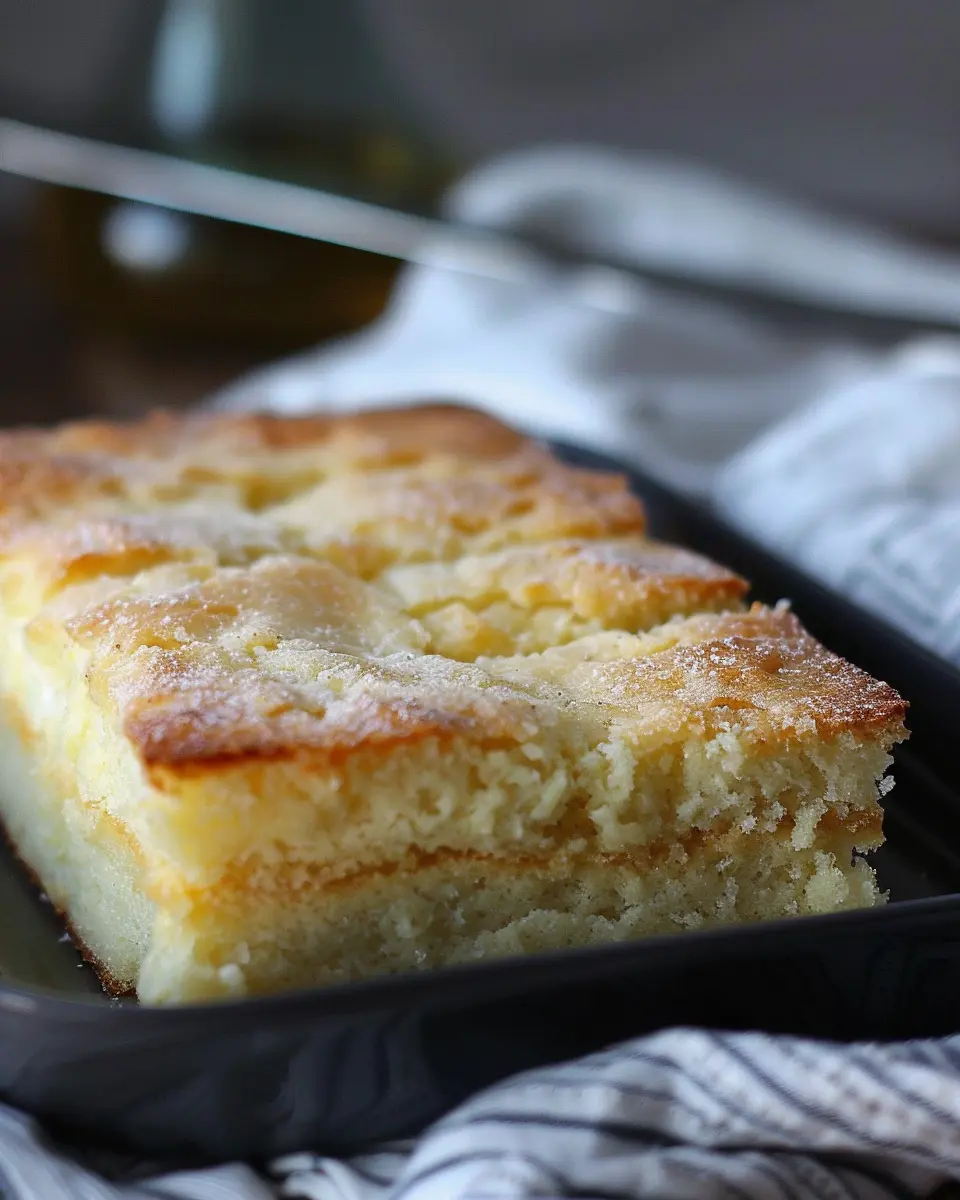
At its core, a French Butter Cake is rich, moist, and incredibly flavorful. It’s often made with high-quality ingredients that elevate it beyond mere cake, transforming it into a culinary experience. The secret lies in the butter—French butter, in particular, is known for its creamy texture and high-fat content, resulting in a cake that’s soft and melt-in-your-mouth delicious.
Not only is it indulgent, but this cake doesn’t require fancy techniques or extensive equipment. It’s perfect for those who love to cook but might feel intimidated by complex recipes. All you need is a mixing bowl and an oven.
Did you know? Food historians suggest that butter cakes have roots in French patisserie tradition, emphasizing the use of butter in creating rich textures. If you’re intrigued by the science of baking, you might find this breakdown of cake techniques enlightening!
A Versatile Delight
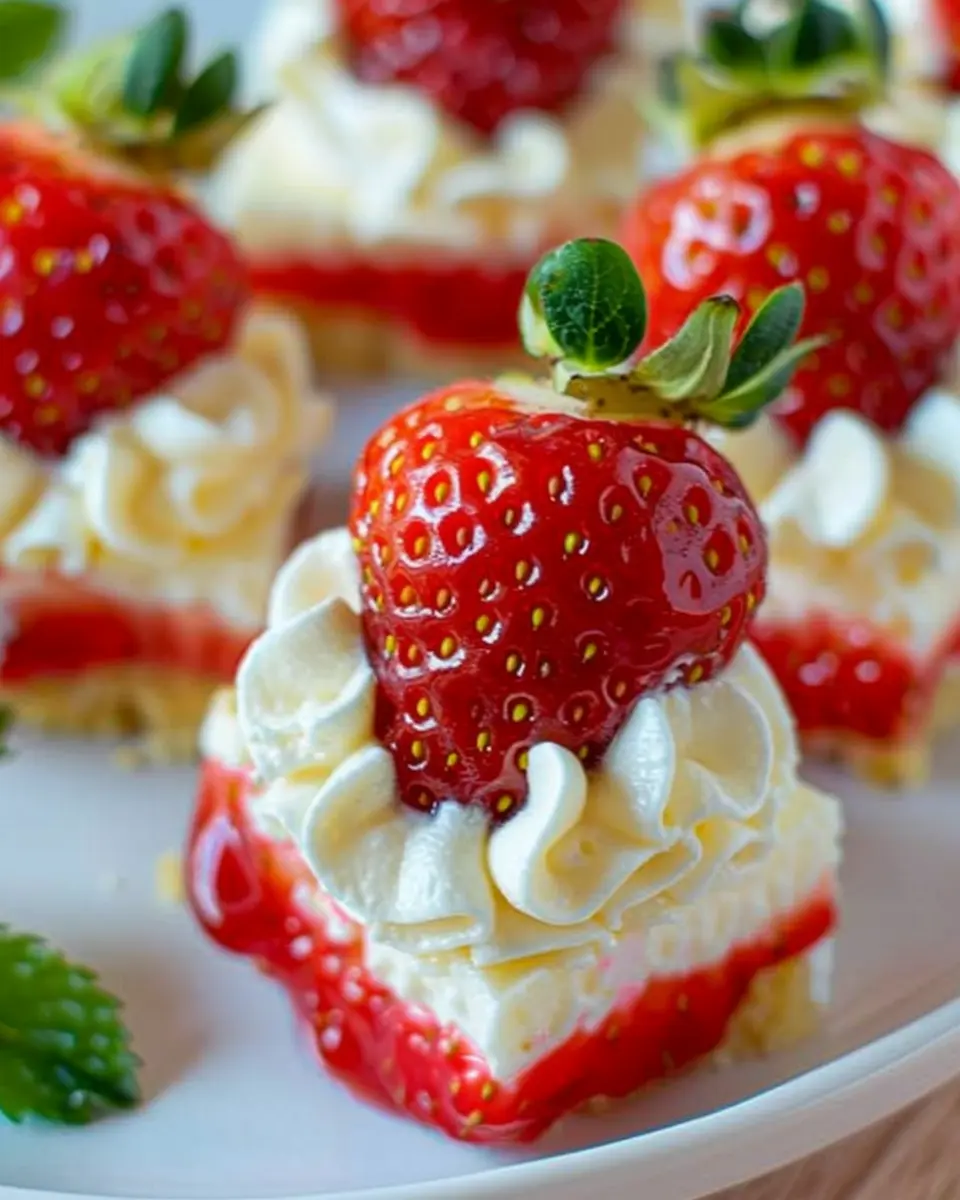
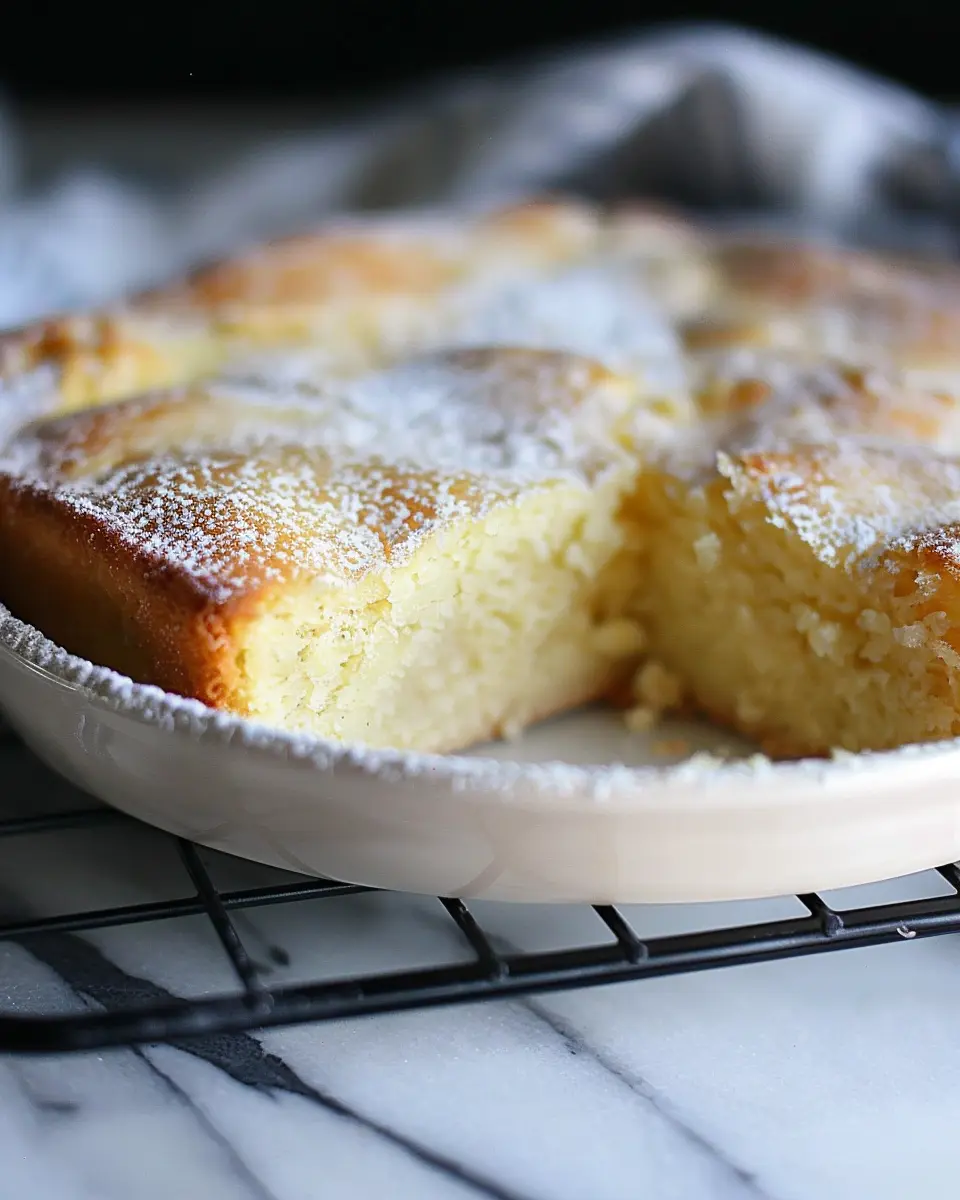
One of the best aspects of a French Butter Cake is its versatility. It can be served plain, dusted with powdered sugar, or enhanced with flavors like vanilla, orange zest, or even a swirl of fresh berries. Pair it with a dollop of whipped cream or a scoop of your favorite ice cream, and you have a dessert worthy of any occasion.
And let’s not forget the perfect drinks to accompany this delightful cake. Consider serving it with a refreshing cup of herbal tea or a sweet, cold glass of milk. These combinations can enhance the overall experience and take your dessert moment to the next level.
Whether you’re hosting a brunch, celebrating a birthday, or simply treating yourself on a casual weekend, French Butter Cake is a timeless choice that will surely impress. Trust me, once you try this cake, you’ll find it hard to resist making it again and again!
Ingredients for French Butter Cake
Essential ingredients for a perfect French Butter Cake
When you dive into baking a classic French Butter Cake, the secret to its divine flavor lies in its quality ingredients. Let’s break down what you need:
- Unsalted Butter: Using high-quality unsalted butter contributes to the cake’s rich taste. It’s the star of the show, providing that signature moistness.
- Granulated Sugar: This adds the cake’s sweetness, and its fine texture helps create a tender crumb.
- All-Purpose Flour: A staple in most baking, flour gives structure. For the best results, consider using cake flour for a softer texture.
- Eggs: Fresh, large eggs enrich the batter, adding moisture and stability. They’re also crucial for leavening.
- Milk: Adds moisture while balancing the sweetness. Whole milk works wonders here, but feel free to explore alternatives like almond or oat milk for a twist.
- Baking Powder: This helps the cake rise beautifully, creating that fluffy texture we all love.
If you’re eager to learn more about baking techniques, consider checking out resources from King Arthur Baking. Happy baking!
Preparing French Butter Cake
Baking a French Butter Cake is as much about the process as it is about the delicious end result. With its dense yet tender texture, this cake is perfect for both casual coffee breaks and elegant gatherings. Let’s dive into the steps to create this delightful treat, ensuring you have everything you need to bake with confidence.
Get organized with your ingredients
Before diving into the world of butter and flour, it’s essential to set the stage. Gather all your ingredients to avoid any last-minute scrambles. You’ll need:
- Unsalted butter (room temperature)
- Granulated sugar
- Eggs
- All-purpose flour
- Baking powder
- Salt
- Sour cream
- Pure vanilla extract
Having everything organized not only helps in streamlining the process but also enhances your baking experience—think of it as prepping for a mini baking show! According to BBC Good Food; being prepared can significantly improve your kitchen efficiency.
Creaming the sugar and butter
This step is where the magic begins! In a large mixing bowl, use a hand mixer or a stand mixer fitted with a paddle attachment to cream the unsalted butter and sugar together. Aim for a light and fluffy consistency; this usually takes about 2-3 minutes. The science behind this? Incorporating air during this step helps create a light texture in your French Butter Cake.
Take a moment to smell that buttery sweetness—it’s a reminder of how wonderful freshly baked goods can be.
Introducing the eggs and vanilla
Once your butter and sugar mixture is light and fluffy, it’s time to introduce the eggs and a splash of pure vanilla extract. Add eggs one at a time, ensuring each is fully incorporated before adding the next. This gradual process not only helps bind the ingredients but also adds richness to the cake.
And, let’s not forget about the vanilla; using pure vanilla extract—as opposed to imitation—can elevate your cake’s flavor immensely. Baking is a science, and just like measuring ingredients, choosing high-quality products matters!
Mixing the dry ingredients
In a separate bowl, whisk together your all-purpose flour, baking powder, and salt. This creates an evenly mixed foundation for your cake, preventing clumps and ensuring that your leavening agent (the baking powder) is uniformly distributed.
Gently fold the dry ingredients into the butter mixture using a spatula or wooden spoon. This requires some finesse: over-mixing can result in a dense cake. You’ll want to stop mixing when you see a few streaks of flour remaining—your cake will finish combining in the next step.
The magic of sour cream
Next comes the secret ingredient that makes this French Butter Cake incredibly moist: sour cream. Its tanginess balances the sweetness and contributes to a tender crumb. Gently fold the sour cream into the batter until you have a smooth and creamy consistency.
Sour cream isn’t just a great baking companion; it’s a versatile ingredient you can use in savory dishes too. Consider exploring more ideas on AllRecipes for using sour cream beyond baking.
Baking to perfection
Preheat your oven to 350°F (175°C) and prepare your cake pan by greasing it or lining it with parchment paper. Transfer the batter into the pan, smoothing the top with a spatula. Bake for about 35-40 minutes, or until a toothpick inserted into the center comes out clean.
Much like life, baking requires patience—don’t rush this step! Let your cake cool in the pan for a few minutes before transferring it to a wire rack. As the aroma wafts through your kitchen, take a moment to appreciate the art of baking.
With these steps, you’re well on your way to enjoying a delightful French Butter Cake. So, roll up your sleeves, put on your favorite music, and let the baking adventure begin!
Variations on French Butter Cake
Exploring variations of the classic French Butter Cake opens up a delightful world of flavors that can be tailored to your taste. Whether you’re looking to impress guests at a gathering or simply want to indulge yourself, these two variations will elevate your baking game.
Lemon French Butter Cake
If you’re a fan of citrusy flavors, the Lemon French Butter Cake is a must-try. This refreshing twist adds a zesty brightness, perfect for spring or summer gatherings. Here’s how to transform your classic recipe:
- Ingredients: Add the zest of two lemons and about a quarter cup of fresh lemon juice to your butter mixture.
- Texture: The acidity of the lemon creates a beautiful contrast with the rich butter, adding moistness and a unique tang.
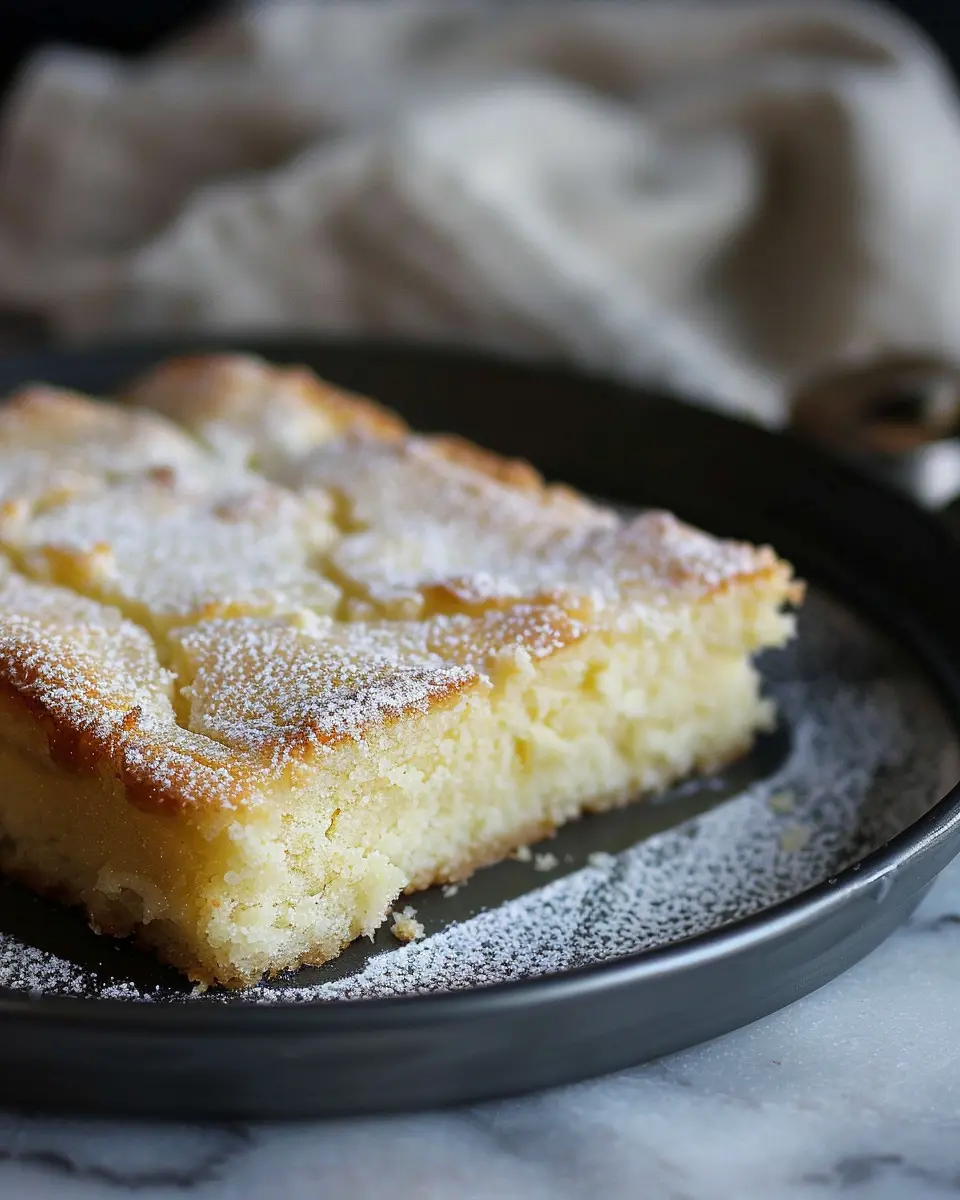
- Serving Tip: Dust with powdered sugar before serving and pair it with a dollop of whipped cream or a light lemon glaze to accentuate the flavors.
For more citrus-infused dessert inspiration, check out Serious Eats for expert tips.
Chocolate Marble French Butter Cake
For chocolate lovers, the Chocolate Marble French Butter Cake is a sumptuous delight. Marbling rich chocolate batter through the traditional vanilla base creates a visually stunning and delicious dessert. Here’s how to achieve it:
- Dual Batter: Prepare your French Butter Cake batter as usual. Then, fold in about a quarter cup of unsweetened cocoa powder into half of the batter.
- Marbling Technique: Alternate spoonfuls of the vanilla and chocolate batters into your baking pan, then use a knife to swirl them together lightly. This results in a beautiful marbled effect once baked.
- Serving Suggestion: Serve warm with chocolate ganache poured over the top or alongside a scoop of vanilla ice cream.
Whether you’re trying the lemon version for a bright, sunny treat or indulging in the chocolate marble, these variations on French Butter Cake are sure to satisfy your sweet cravings and impress your friends.
Baking notes for French Butter Cake
Tips for achieving the best texture
When it comes to baking the perfect French Butter Cake, texture is key! Here are some tips to ensure your cake turns out light and fluffy every time:
-
Use room-temperature ingredients: Allow your butter and eggs to sit out for about 30 minutes before mixing. This will create a smoother batter and better incorporation of air, resulting in a lighter cake.
-
Cream the butter and sugar well: Take your time during this step—about 5 to 7 minutes should do. A well-aerated mixture will enhance your cake’s fluffiness.
-
Sift your dry ingredients: Sifting helps to incorporate air and reduces clumps in your flour. This is particularly important for achieving that delicate crumb we love in a French Butter Cake.
-
Don’t overmix: After adding your dry ingredients, mix just until combined. Overmixing can activate gluten and lead to a denser texture.
For more insights on baking techniques, check out King Arthur Baking or Serious Eats. Happy baking!
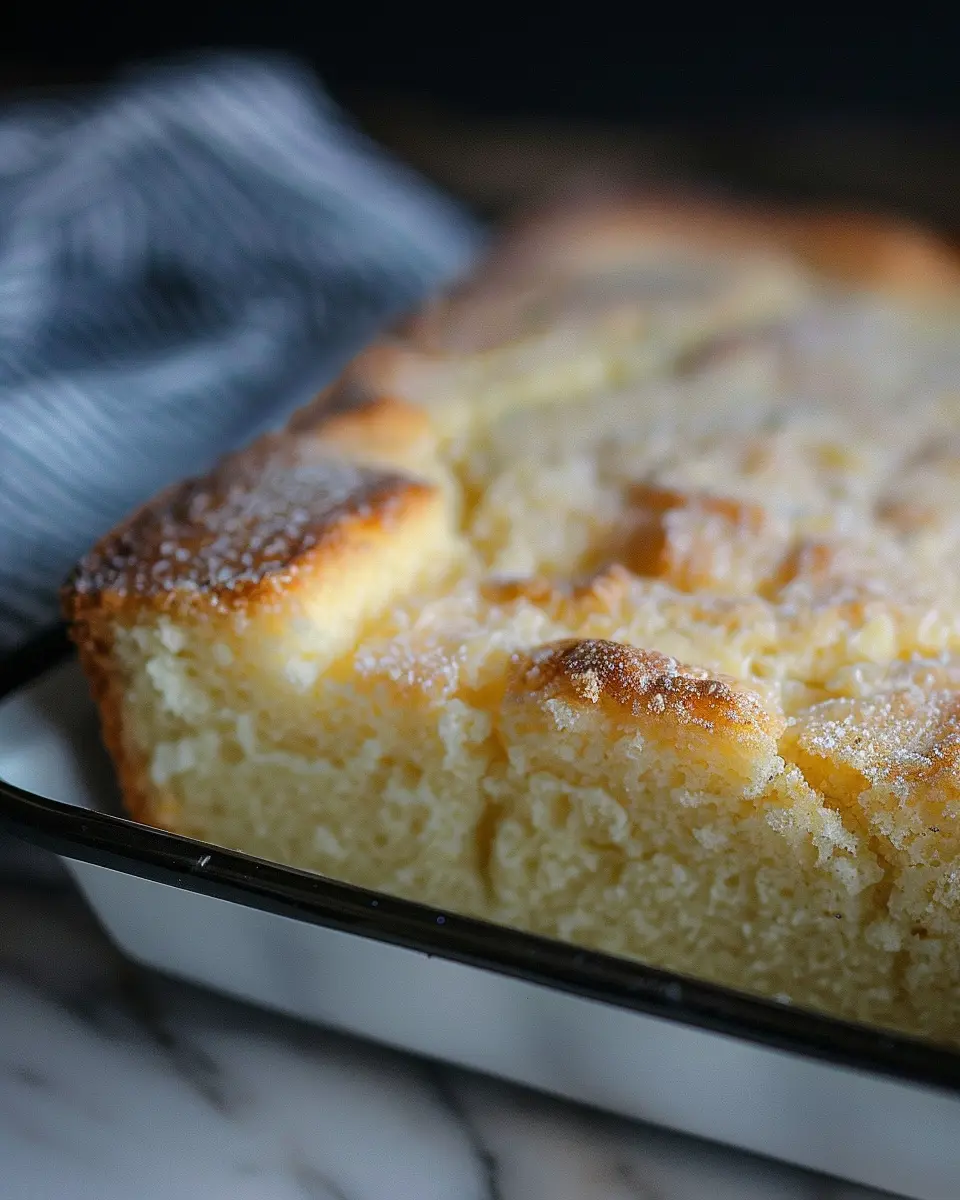
Serving suggestions for French Butter Cake
Pairing with Fruits and Whipped Cream
Serving your French Butter Cake with fresh fruits and homemade whipped cream elevates this delicious treat into a delightful dessert experience. Seasonal fruits like strawberries, raspberries, or even sliced peaches provide a refreshing contrast to the cake’s buttery richness. Why not try a fruit compote? Just simmer your favorite berries with a bit of sugar for a few minutes until they break down—simple yet impressive!
A generous dollop of fluffy whipped cream adds a lightness that perfectly complements the cake’s dense texture. For a unique twist, infuse your cream with vanilla or orange zest to add an extra layer of flavor.
Creating a Dessert Platter
Imagine gathering your friends for a cozy evening with an inviting dessert platter featuring your French Butter Cake. Slice the cake into neat pieces and arrange them alongside an assortment of treats like mini pastries, cookies, or chocolate truffles. Adding a few chocolate-covered strawberries can really boost the aesthetics!
Enhance the presentation with edible flowers or fresh herbs for a burst of color. This eye-catching display not only looks great but allows your guests to sample various bites—a perfect way to showcase your culinary creativity. For tips on crafting the ultimate dessert platter, check out this helpful guide from The Spruce Eats.
Serving your French Butter Cake in these fun, flavorful ways ensures that it becomes a memorable highlight at any gathering—happy baking!
Tips for Making Perfect French Butter Cake
Baking a French Butter Cake is as rewarding as it is delicious. But like any art, it has its nuances. Let’s ensure your cake turns out perfectly every time with some essential tips.
Common Mistakes to Avoid
-
Skipping Room Temperature Ingredients: Incorporating cold ingredients can lead to a dense texture. Always let your butter and eggs sit out for about 30 minutes before mixing.
-
Overmixing the Batter: While it’s tempting to blend until smooth, overmixing can develop gluten, making your cake tough instead of tender. Mix just until combined.
-
Not Preheating the Oven: It’s crucial to preheat your oven. A cold oven can lead to uneven baking, affecting the rise and texture.
-
Using the Wrong Flour: For a truly French Butter Cake, all-purpose flour is recommended. Substituting with cake flour can yield a different texture you’ll want to avoid.
Tools That Can Enhance Your Baking Experience
Investing in a few quality tools can make your baking journey smoother:
-
Kitchen Scale: Precision is key in baking. A scale will ensure your measurements are accurate, leading to consistent results.
-
Silicone Spatula: Perfect for scraping the bowl clean, ensuring you get every bit of that luscious batter.
-
Good Quality Stand Mixer: While hand mixing is fine, a stand mixer can help you achieve the right air incorporation, essential for a light and fluffy French Butter Cake.
For more detailed baking techniques, check out sources like BBC Good Food or Serious Eats for expert advice. Happy baking!
Time details for French Butter Cake
Preparation Time
Making a delightful French Butter Cake starts with approximately 15 minutes of preparation. During this time, you’ll gather your ingredients, preheat your oven, and prepare your baking pan, creating a smooth workflow for the deliciousness to come.
Baking Time
The magic happens in the oven, where your cake will bake for about 50 to 60 minutes. Keep an eye on it, as you want that perfect golden-brown crust which signifies that it’s ready to come out!
Total Time
All in all, you’re looking at roughly 1 hour and 15 minutes from start to finish. Once your French Butter Cake is cooled and beautifully golden, it’s ready for serving! Pair it with fresh fruit or a drizzle of cream for an extra special treat!
For more baking tips and inspiration, check out BBC Good Food or The Kitchn.
Nutritional information for French Butter Cake
When indulging in a slice of French Butter Cake, it’s good to know what you’re savoring.
Calories
A typical slice of French Butter Cake contains approximately 400 calories. While this may seem high, it’s all about balance; enjoying it as an occasional treat can fit into a healthy lifestyle.
Sugar content
In terms of sugar content, each slice holds around 30 grams of sugar. This richness contributes to the cake’s delightful flavor, but keeping portion sizes in check can help manage sugar intake.
Total fat
The total fat content is about 23 grams per slice, thanks to the use of quality butter that gives this cake its signature moistness. Remember that not all fats are created equal—opt for butter in moderation as part of a balanced diet.
For more insights on how to make this delightful treat part of a wholesome meal plan, check out the USDA’s dietary guidelines. Embrace the joy of baking while maintaining nutritional awareness!
FAQs about French Butter Cake
Can I use different types of flour?
Absolutely! You can experiment with various flours for your French Butter Cake. While all-purpose flour is the most common choice, consider using cake flour for a lighter texture or whole wheat flour for a nuttier flavor and added health benefits. Just remember that different flours may alter the cake’s density and crumb. If you go for a gluten-free option, make sure to check out blends that are specifically designed for baking to ensure the best results.
How to store leftovers?
Storing your French Butter Cake properly can help it stay fresh and delicious for days. Once cooled, wrap the cake tightly in plastic wrap or store it in an airtight container. Keep it at room temperature for up to two days or refrigerate it for up to a week. For longer storage, you can freeze slices wrapped in foil and placed in a freezer-safe bag. Thaw overnight in the fridge when you’re ready to indulge again!
What’s the best way to serve it?
Serving your French Butter Cake can be just as delightful as baking it! You can enjoy it plain, dusted with powdered sugar, or topped with fresh fruits like berries or peaches for a summery twist. Consider pairing it with whipped cream or a scoop of vanilla ice cream for a decadent dessert experience. For coffee lovers, serving a slice alongside a freshly brewed cup can elevate your dessert time into a cozy afternoon treat.
For more tips on perfecting your cake, you can check out Tastykitchen for additional baking insights!
Conclusion on French Butter Cake
Final thoughts on creating your homemade masterpiece
Creating your own French Butter Cake is not just about following a recipe; it’s about enjoying the process. As you bake this delightful treat, you’ll experience the harmony of rich butter, sugar, and eggs blending into a mouthwatering successor. Remember to choose quality ingredients, as they make all the difference in taste.
French Butter Cake pairs beautifully with fresh berries or can be served as a sophisticated dessert with a dollop of whipped cream. Don’t forget to share your cake journey with friends (or keep it all for yourself!). Happy baking!
For more tips, visit expert resources like Serious Eats for enhancing your baking skills.
PrintFrench Butter Cake: The Best Indulgent Treat for Every Occasion
Indulge in the rich and buttery flavors of French Butter Cake, perfect for any occasion!
- Prep Time: 20 minutes
- Cook Time: 60 minutes
- Total Time: 1 hour 20 minutes
- Yield: 12 servings 1x
- Category: Desserts
- Method: Baking
- Cuisine: French
Ingredients
- 1 cup unsalted butter, softened
- 2 cups granulated sugar
- 4 large eggs
- 3 cups all-purpose flour
- 1 teaspoon baking powder
- 1/2 teaspoon salt
- 1 cup whole milk
- 1 tablespoon vanilla extract
Instructions
- Preheat your oven to 350°F (175°C).
- Grease and flour a bundt pan.
- In a large bowl, cream the butter and sugar until light and fluffy.
- Add the eggs one at a time, beating well after each addition.
- In another bowl, whisk together the flour, baking powder, and salt.
- Gradually add the dry ingredients to the wet ingredients, alternating with the milk.
- Stir in the vanilla extract.
- Pour the batter into the prepared bundt pan.
- Bake for 50-60 minutes or until a toothpick comes out clean.
- Let it cool before transferring to a wire rack.
Notes
- For added flavor, consider adding lemon zest or almond extract.
- This cake pairs well with fresh fruits or whipped cream.
Nutrition
- Serving Size: 1 slice
- Calories: 450
- Sugar: 30g
- Sodium: 200mg
- Fat: 25g
- Saturated Fat: 15g
- Unsaturated Fat: 8g
- Trans Fat: 0g
- Carbohydrates: 50g
- Fiber: 1g
- Protein: 5g
- Cholesterol: 100mg
Keywords: French Butter Cake, dessert, cake recipe, indulgent treat