
Introduction to No-Knead Ciabatta Bread Recipe
Baking your own bread, especially with a no-knead ciabatta bread recipe, can transform your kitchen into a cozy haven filled with irresistible aromas. But why should you choose homemade ciabatta over the store-bought variety? Let's explore the enticing world of homemade bread-making.
Why Choose Homemade Ciabatta Over Store-Bought?
-
Flavor and Freshness: Nothing compares to the warmth and flavor of freshly baked ciabatta. Store-bought options often contain preservatives and lack that deep, rich taste that comes from allowing the dough to ferment naturally. Making your own bread not only delivers better flavor but also a delightful texture that's hard to find in the supermarket.
-
Control Over Ingredients: You decide what goes into your bread. If you have dietary preferences or restrictions, making your own ciabatta allows you complete control. For instance, you could easily swap in whole grain flours or substitute ingredients to cater to a gluten-free diet.
-
Cost-Effective: Ever looked at the price of artisanal bread in a bakery? They sure ask for a premium! Homemade ciabatta is not only simpler to prepare than you might think, but it can also be much more budget-friendly. Plus, buying ingredients in bulk can save you even more money.
-
Therapeutic Experience: There’s something incredibly satisfying about creating something from scratch. The process of mixing and watching your dough rise creates a sense of accomplishment. Plus, it’s a fun activity to share—whether it’s a gathering with friends or a cozy dinner at home.
-
Customization Potential: Think herbs, spices, or even added toppings. Want to infuse your ciabatta with garlic or rosemary? Go for it! You get to tailor it to your preferences, creating unique loaves every time you bake.
In summary, the no-knead ciabatta bread recipe you’ll soon discover allows for an effortless entry into the world of artisanal baking. It’s a joyful adventure, filled with warmth and savory rewards. If you're ready to embrace this culinary journey, check out resources like King Arthur Baking or the New York Times Cooking for tips on bread techniques and ingredients. Happy baking!
Ingredients for No-Knead Ciabatta Bread
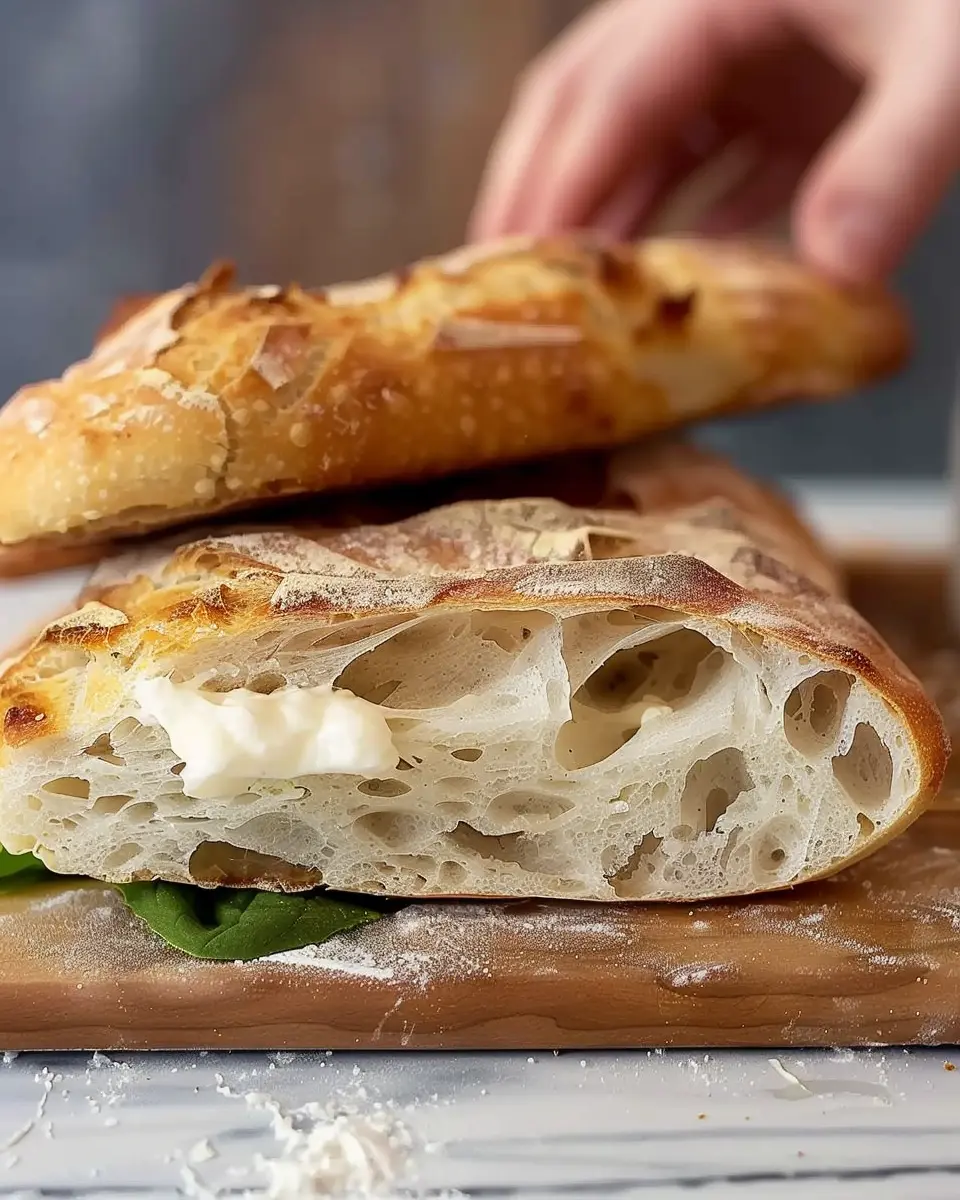
Making the perfect no-knead ciabatta bread is easier than you might think! The ingredients are simple, yet they come together beautifully to create a crusty exterior and a soft, airy interior. Here’s what you’ll need:
- All-purpose flour: 4 cups, which gives the bread its structure and chewiness.
- Water: 1 ½ cups, warmed. This is key for activating the yeast.
- Active dry yeast: 1 packet (2 ¼ teaspoons). Yeast is the magic ingredient that makes your bread rise.
- Salt: 2 teaspoons. It enhances the flavor and strengthens the gluten.
- Olive oil: 2 tablespoons for richness and a hint of flavor.
With these few ingredients, you’ll be amazed at the results! For a deeper understanding of how each component works, you might want to check out King Arthur Baking for some awesome insights.
Curious about variations? You could easily substitute the olive oil with avocado oil for a slightly different flavor profile. Happy baking!
Step-by-Step Preparation of No-Knead Ciabatta Bread
Making your own no-knead ciabatta bread at home is an incredibly rewarding process. Trust me, once you experience the airy texture and delightful crust of freshly baked ciabatta, there’s no going back. Let's walk through the steps together — it’s simpler than you might think!
Combining the Water, Salt, and Yeast
The first step in our no-knead ciabatta bread recipe is to set the stage with the right mixture. Start by measuring out about 1.5 cups of lukewarm water. Dissolve 2 teaspoons of salt in the water to season the dough properly.
Next, sprinkle in ½ teaspoon of instant yeast. It's essential to use instant yeast for this recipe as it quickly activates and works efficiently without the need for proofing. Stir the mixture gently with a spoon until everything is combined. It's like giving your dough a little wake-up call!
Mixing in the Flour
Now comes the fun part—adding the flour! Gradually mix in 4 cups of all-purpose flour. You can use a wooden spoon or a spatula; just make sure you’re incorporating the flour until you don’t see any dry bits. The dough will be sticky and shaggy at this point, which is precisely what you want. No kneading means we’ll rely on time and folds to develop that sought-after gluten structure.
If you're curious about the remarkable science behind gluten development, check out this resource on bread-making chemistry.
Stretching and Folding the Dough
After your dough comes together, cover the bowl with plastic wrap or a clean kitchen towel. Let it rest for about 12 to 18 hours at room temperature. This long fermentation allows flavor to develop and creates those glorious bubbles.
Once the resting period is over, wet your hands (this prevents sticking) and gently stretch and fold the dough over itself. Do this four times, each time rotating the bowl a quarter turn. This gentle technique strengthens the dough without the effort of traditional kneading.
Allowing the Dough to Proof
Now, cover your dough once again and allow it to proof for about 2 hours. During this time, it will puff up and double in size. Make sure to keep it in a warm, draft-free area so that the yeast remains active. Ever wonder how temperature affects yeast? This guide to yeast activity can really deepen your understanding.
Shaping the Ciabatta
After the dough has risen nicely, it's time for shaping! Generously flour your work surface to prevent sticking. Gently transfer the dough onto the floured surface, being careful not to deflate it too much. With floured hands, shape the dough into a rough rectangle, about 1 inch thick.
Cut it into two pieces, or you can make smaller rolls if you prefer. The airy texture is what makes ciabatta so special, so handle it gently!
Final Proofing Process
Now, it's time for the final proof. Place your shaped dough onto a floured surface or a parchment-lined baking sheet. Cover it with a clean towel, and let it rise for another 30 to 60 minutes. This step will ensure that the dough maintains its shape while rising, resulting in that lovely open crumb structure we all crave.
Baking the Ciabatta
Preheat your oven to 450°F (232°C). If you have a pizza stone, place it in the oven to heat up as well; this gives the bread a wonderful crust. Just before baking, slash the tops of your dough with a sharp knife for a great aesthetic appeal. Bake the ciabatta for about 20-25 minutes until the crust is golden brown and sounds hollow when tapped.
Once out of the oven, let it cool on a wire rack for at least 30 minutes. This is the hardest part; trust me, the aroma will be tempting! Then slice it open and enjoy that fresh, airy ciabatta with your favorite spreads or alongside a hearty meal.
With just a few simple ingredients and a bit of patience, you've created something extraordinary. Enjoy your homemade no-knead ciabatta bread, and feel free to share your experience in the comments!
Variations on No-Knead Ciabatta Bread
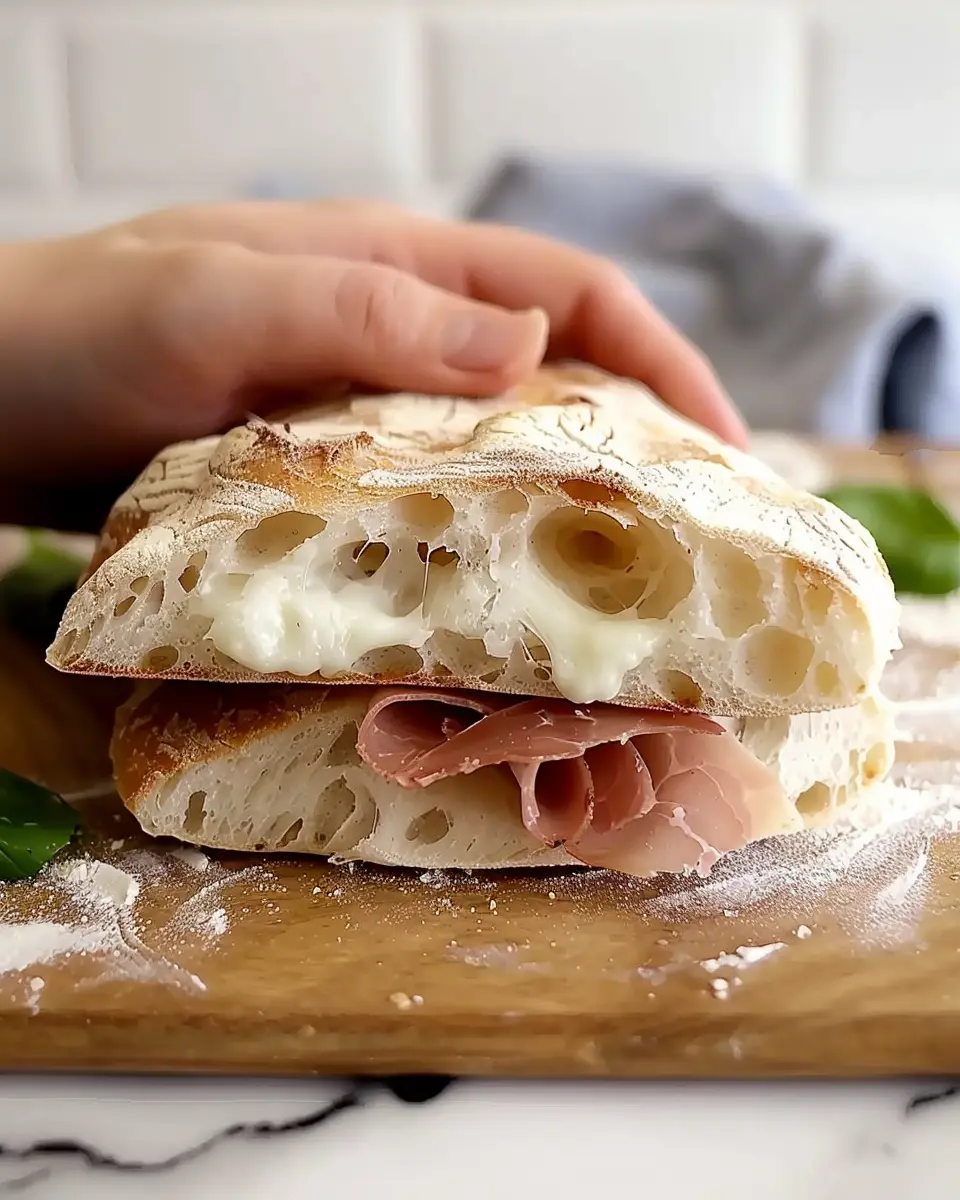
Ready to elevate your no-knead ciabatta bread recipe? Here are three delicious twist ideas that are sure to impress friends and family alike!
Herb-Infused Ciabatta
Imagine the warm aroma of fresh herbs wafting through your kitchen! To create an herb-infused ciabatta, stir in your favorite chopped herbs such as rosemary, thyme, or basil directly into the dough. The addition of herbs not only amplifies flavor but also adds a vibrant pop of color to your loaf. Try pairing it with a light olive oil for dipping, and you’ve crafted the perfect appetizer.
Olive Ciabatta
If you love the briny punch of olives, this variation is for you! Fold in a mix of pitted black and green olives after your dough has risen. For an added burst of flavor, consider including a sprinkle of garlic powder or crushed red pepper flakes. This olive ciabatta pairs beautifully with a hearty soup or salad, becoming an instant crowd-pleaser. You can learn more about the health benefits of olives on resources like the California Olive Committee.
Sundried Tomato and Feta Ciabatta
This delightful ciabatta combines sweet and savory notes. Incorporate chopped sundried tomatoes and crumbled feta cheese into your basic dough. Not only does this create an enticing flavor combination, but the vibrant colors make your bread visually appealing too! Serve it alongside a Mediterranean antipasto platter or simply enjoy it fresh out of the oven. Check out the Mediterranean Diet for more inspiration on how to utilize this fantastic creation.
With these variations, your no-knead ciabatta bread will never fall flat. Happy baking!
Baking Tips and Notes for No-Knead Ciabatta Bread
Baking your own no-knead ciabatta bread can be a rewarding and simple project, perfect for those new to bread-making! Follow these friendly tips to ensure success:
Hydration is Key
The hydration level in your dough affects your ciabatta's texture. Aim for a wet, sticky dough; it helps create those characteristic air bubbles. If it's too dry, you might miss out on the delightful open crumb structure. For guidance on hydration ratios, check out King Arthur Baking.
Proper Proofing
Let your dough rise in a warm place. A good rule of thumb is to let it rest for about 12-18 hours. This long fermentation time not only develops flavor but also improves the texture. Cover your bowl with a damp cloth to prevent drying out.
Careful Handling
When shaping the dough, resist the urge to deflate it. Gently turn it out onto a well-floured surface. Using a bench scraper can help you handle the delicate dough without losing air. You want that beautiful rise when it bakes!
By following this no-knead ciabatta bread recipe, you’ll impress friends and family with minimal effort. Plus, homemade bread is always a hit! If you're curious about the science behind bread-making, the Bread Lab offers fantastic insights.
Serving Suggestions for No-Knead Ciabatta Bread
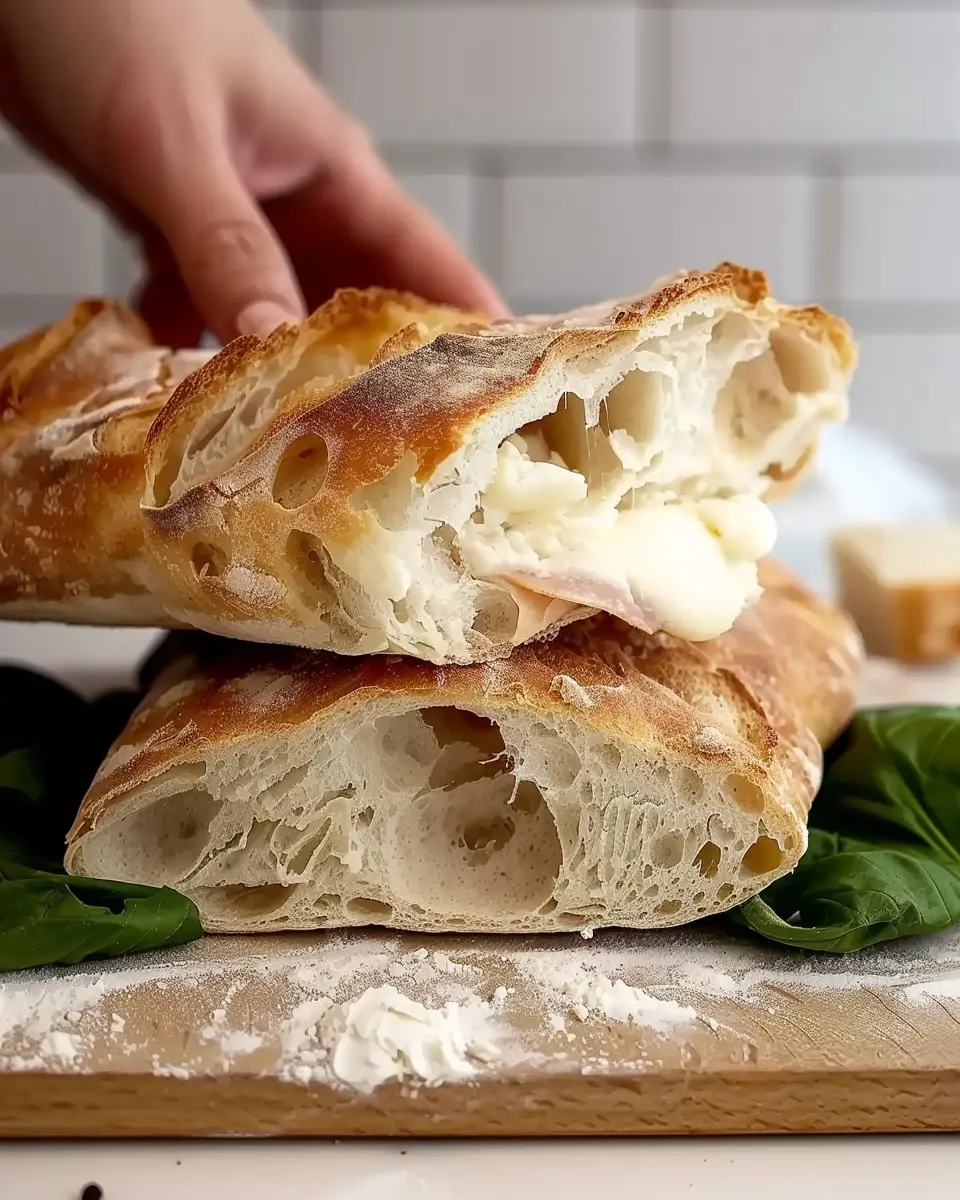
Getting the most out of your no-knead ciabatta bread recipe means exploring a world of delicious serving options. This bread isn’t just about enjoying the crusty exterior and airy inside; it can elevate your meals in so many ways.
Perfect Pairings
-
Sandwich Delight: Use slices of your fresh ciabatta to create gourmet sandwiches. Consider layering it with turkey bacon and fresh spinach for a satisfying lunch that fuels your day.
-
Dipping Sticks: Serve small pieces as dipping bread with a high-quality olive oil and balsamic vinegar mix. This simple appetizer is always a crowd-pleaser!
-
Toast it Up: Top pieces of toasted ciabatta with creamy avocado, a sprinkle of chili flakes, and a sprinkle of lemon juice for a delicious breakfast or snack.
-
Savory Wraps: Fill your ciabatta with chicken ham, arugula, and a herb spread for a quick dinner that’s packed with flavor.
-
Soup Companion: This bread pairs wonderfully with hearty soups. Imagine a bowl of minestrone with a hunk of ciabatta for the ultimate comfort meal.
Exploring these serving options not only enhances your meal experience but also showcases the versatility of your homemade bread. For more ideas, check out this baking guide for inspiration!
Time Breakdown for Making No-Knead Ciabatta Bread
When you're ready to dive into baking your own no-knead ciabatta bread, understanding the time involved can help streamline your efforts. Here's a breakdown of what to expect:
Preparation Time
You'll want to allocate about 15 minutes for preparation. This includes mixing your ingredients and letting the dough rise—no kneading required! Just a little patience, and you’re well on your way to homemade bread.
Baking Time
Once you’ve prepped your dough, baking it takes around 30 to 40 minutes. The goal here is a beautifully golden crust, so keep an eye on it. Every oven varies, so your bread might need a minute or two more or less.
Total Time
In total, you’re looking at about 3-4 hours, with the majority of that being hands-off time. Most of the waiting is for the dough to rise, allowing you to enjoy the delicious smell filling your kitchen. While you wait, why not explore the benefits of bread-making on The Bread Lab?
This no-knead ciabatta bread recipe is perfect for anyone wanting to impress friends and family with minimal fuss!
Nutritional Facts for No-Knead Ciabatta Bread
When you dive into the delightful world of baking with this no-knead ciabatta bread recipe, understanding the nutritional content can enhance your culinary experience. Here’s a breakdown of what you’re getting with each slice of this airy masterpiece.
Calories
A single slice of homemade no-knead ciabatta bread contains approximately 150 calories. While it’s a delicious treat, being mindful of portion sizes is key, especially if you enjoy slathering it with toppings.
Protein
Each slice typically packs around 5 grams of protein. This makes it a decent choice for anyone looking to incorporate a bit of protein into their meal without going overboard on calories.
Sodium
With about 200 milligrams of sodium per slice, this ciabatta is a relatively good option for those monitoring their salt intake. Pairing with fresh ingredients like vegetables or turkey bacon can balance flavors while keeping the health factor in check.
For more details on bread nutrition, consider checking out resources like the USDA FoodData Central for comprehensive food nutritional information. Remember, moderation is essential, and enjoying your homemade bread can fit nicely into a balanced diet!
FAQs about No-Knead Ciabatta Bread
Why no-knead?
You might be wondering, why go no-knead? The beauty of a no-knead ciabatta bread recipe lies in its simplicity. By allowing the dough to rise slowly over an extended period, you promote gluten development without the labor of kneading. This method also enhances flavor, giving your bread that delightful, complex taste we love in artisan loaves. Plus, it’s perfect for those busy days when you don’t want to spend too much time in the kitchen.
Can I use all-purpose flour instead of strong flour?
Absolutely! While strong flour (also known as bread flour) gives your ciabatta that characteristic chewiness due to its higher protein content, you can substitute all-purpose flour if that’s what you have on hand. Just keep in mind that the texture might be slightly different, but you’ll still end up with delicious bread. For more on flour types, check out resources like King Arthur Baking.
What can I do with leftover ciabatta?
Leftover ciabatta can be a culinary goldmine! Here are a few ideas:
- Make croutons: Cube the bread, toss in olive oil, season, and bake for crunchy salad toppings.
- Create a sandwich: Use it as a base for a tasty turkey bacon or chicken ham sandwich.
- Prepare bruschetta: Top with tomatoes, basil, and a drizzle of balsamic glaze for a quick appetizer.
Not only does using up leftover bread reduce waste, but it also opens up a world of culinary creativity. Have fun experimenting, and don’t forget to share your favorites!
Conclusion on No-Knead Ciabatta Bread
In conclusion, the no-knead ciabatta bread recipe is a game changer for anyone seeking fresh, crusty bread without the fuss of traditional baking. With minimal ingredients and a hands-off approach, you'll find that even if you’re pressed for time, achieving bakery-quality bread at home is entirely possible.
The beauty of this recipe lies in its flexibility; you can experiment with different toppings or add-ins like olives or herbs for a personal touch. So, why not give it a try? The delightful aroma that fills your kitchen and the satisfaction of pulling a perfect loaf from your oven will undoubtedly make this no-knead gem a staple in your cooking repertoire. For more baking tips, check out resources like King Arthur Baking. Happy baking!
PrintNo-Knead Ciabatta Bread Recipe: Easy, Fresh, and Homemade Delight

This no-knead ciabatta bread recipe is incredibly easy and yields delicious, fresh bread that is perfect for any meal.
- Prep Time: 15 minutes
- Cook Time: 45 minutes
- Total Time: 12 hours 60 minutes
- Yield: 1 loaf 1x
- Category: Bread
- Method: Baking
- Cuisine: Italian
- Diet: Vegetarian
Ingredients
- 4 cups all-purpose flour
- 2 teaspoons salt
- ¼ teaspoon instant yeast
- 2 cups warm water
Instructions
- In a large bowl, combine flour, salt, and yeast.
- Add warm water and stir until a shaggy dough forms.
- Cover the bowl with plastic wrap and let rise for 12-18 hours at room temperature.
- After the dough has risen, turn it out onto a floured surface and shape it into a rectangle.
- Cover with a towel and let it rest for 2 hours.
- Preheat your oven to 450°F (230°C) and place a Dutch oven inside to heat up.
- Carefully transfer the dough into the hot Dutch oven and cover.
- Bake for 30 minutes, then remove the lid and bake for another 15 minutes until golden brown.
Notes
- For extra flavor, consider adding herbs or garlic to the dough.
- This bread is perfect for sandwiches or as a side for soups.
Nutrition
- Serving Size: 1 slice
- Calories: 150
- Sugar: 0g
- Sodium: 300mg
- Fat: 0g
- Saturated Fat: 0g
- Unsaturated Fat: 0g
- Trans Fat: 0g
- Carbohydrates: 30g
- Fiber: 1g
- Protein: 5g
- Cholesterol: 0mg
Keywords: no-knead, ciabatta, bread, recipe, homemade

Leave a Reply