
Introduction to Rice Pilaf
Rice pilaf is a delightful and versatile dish that has stolen the hearts (and stomachs) of many young professionals. Imagine coming home after a long day at work, craving a meal that is not only easy to prepare but also impresses with its flavor! Rice pilaf fits that bill perfectly. It's a fantastic option for busy individuals who want to prepare something delicious without slaving away in the kitchen for hours.
One of the main reasons why rice pilaf is ideal for you is its adaptability. You can personalize it to best fit your tastes and dietary needs. Add some colorful vegetables, a source of protein like turkey bacon or chicken ham, or even toss in a handful of nuts for some crunch. The beauty of rice pilaf lies in its simplicity while providing a blank canvas for creativity. Simply starting with quality ingredients can elevate the flavor profile substantially.
Let’s not forget about the health benefits! Whole grains, like brown rice or wild rice, commonly used in pilaf recipes, offer a wealth of nutrients. They are rich in fiber, which is essential for digestive health, and packed with vitamins like B and E. Interested in the impact of whole grains on health? The whole grains council provides some fascinating insights (WholeGrainsCouncil.org).
Moreover, rice pilaf is a dish that can easily be made in bulk, perfect for meal prepping. A single pot can yield several servings, allowing you to store leftovers for busy days when cooking seems too daunting. Plus, it reheats beautifully, ensuring that each bite is just as enjoyable as the first.
Feeling inspired yet? The versatility and simplicity of rice pilaf make it a top choice for anyone looking to whip up a satisfying meal quickly. By integrating different spices and ingredients, you can keep things interesting day after day. So go ahead and embrace the comforting nature of rice pilaf—you might just find it becoming a staple in your culinary routine!
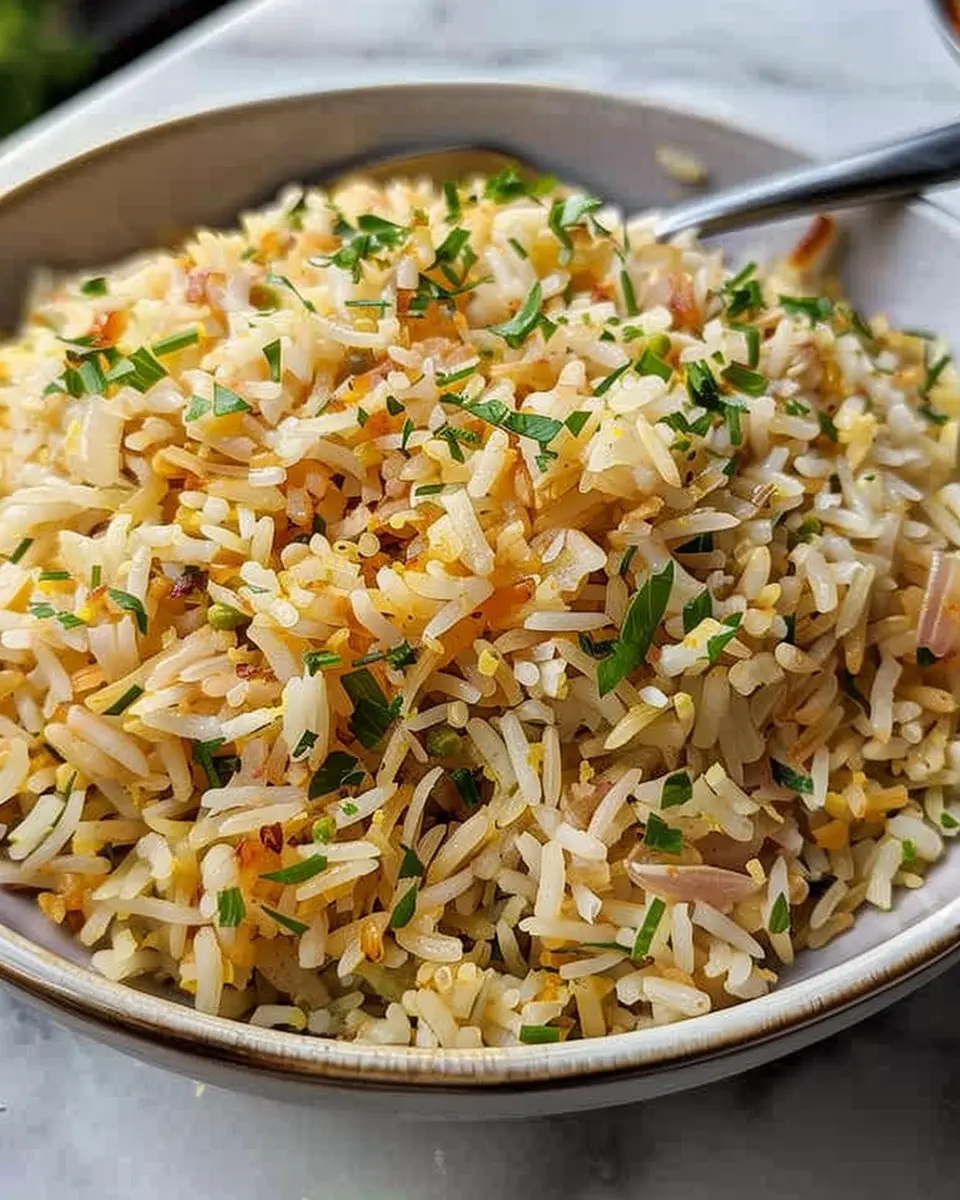
Ingredients for Rice Pilaf
When it comes to crafting the perfect rice pilaf, having the right ingredients creates the foundation for flavor-packed success. Let's dive into essential components that make this dish a go-to favorite for many.
Essential ingredients for a perfect rice pilaf
- Long-Grain Rice: Opt for basmati or jasmine rice for that nutty aroma and fluffy texture.
- Broth: Substitute chicken or vegetable broth for water; it’s an easy way to elevate the flavor.
- Aromatics: Onions and garlic are a must! They add depth and fragrance to your pilaf.
- Herbs: Fresh parsley or thyme brings a lively touch, but feel free to experiment with your favorites!
- Protein (optional): Consider adding diced turkey bacon or chicken ham to enhance the heartiness.
- Vegetables: Peas, carrots, or bell peppers make for vibrant, colorful additions.
- Spices: A sprinkle of cumin or saffron can transform your pilaf into a gourmet delight.
With these ingredients at your disposal, you’re on your way to crafting a delicious rice pilaf that’s sure to impress. Want some more inspiration? Check out this rice pilaf recipe from Martha Stewart for ideas on flavor variations!
Step-by-step Preparation of Rice Pilaf
Making a delicious rice pilaf is not only straightforward but also incredibly rewarding. This dish serves as a versatile side or main course, elevating any meal with its rich flavor and texture. Let’s walk through each step together so you can create your own delectable pilaf!
Rinse the Rice
Before diving into cooking, it’s essential to prepare your rice properly. Rinsing your rice helps to remove excess starch, preventing your pilaf from becoming gummy.
- Measure out the desired amount of rice (typically 1 cup for 4 servings).
- Place the rice in a fine-mesh strainer or a bowl.
- Rinse under cold running water until the water runs clear—this usually takes a few minutes.
Not only does rinsing make for a fluffier texture, but it also enhances the overall eating experience. Did you know that rinsing can also help in reducing some arsenic content? Health experts recommend rinsing rice for that very reason—it's a small step with a big impact on both flavor and health.
Sauté the Onions
Next, it’s time to build those foundational flavors. Sautéing onions adds a lovely sweetness that complements the rice pilaf beautifully.
- Heat a couple of tablespoons of olive oil or butter in a medium saucepan over medium heat.
- Once the oil is shimmering or the butter has melted, add about 1 medium onion, finely chopped.
- Sauté for about 5-7 minutes, or until the onions become translucent and fragrant.
As the onions cook, your kitchen will fill with irresistible aromas, setting the stage for the deliciousness to come!
Toast the Orzo Pasta
For added texture and a delightful nutty flavor, we'll incorporate orzo—small rice-shaped pasta—into our rice pilaf.
- After the onions are ready, stir in about ½ cup of orzo, letting it toast for about 2-3 minutes.
- Keep stirring to avoid burning. You'll know it’s ready when it turns golden brown.
Toasting brings out the flavor of the orzo and adds a unique twist to your dish. If you're curious about the benefits of adding pasta to rice dishes, check out this insightful article from the National Pasta Association.
Cook the Rice and Orzo Mixture
Now for the magic moment—combining all the components into a sumptuous meal!
- Pour in your rinsed rice, along with about 2 cups of low-sodium chicken broth (or water, if you prefer).
- Add a pinch of salt and some freshly cracked black pepper to taste.
- Bring the mixture to a boil, then reduce the heat to low and cover the saucepan. Allow everything to simmer for about 18-20 minutes, or until the rice is cooked and has absorbed the liquid.
This cooking method not only ensures that everything is well-blended but also allows the flavors to mingle, creating a harmonious dish.
Fluff and Serve
Once your rice pilaf is fully cooked, it’s time to give it a little TLC.
- Remove the saucepan from heat and let it sit, covered, for an additional 5 minutes.
- Using a fork, gently fluff the rice and orzo mixture to separate the grains.
At this point, you can be creative! Consider adding in some fresh herbs like parsley or dill, or even diced vegetables to elevate your pilaf further. Serve your dish warm, and watch as it becomes a favorite at your dining table.
With these simple steps, you'll have mastered the art of making rice pilaf that's sure to impress both yourself and your guests. Enjoy the wonderful flavors and don't forget to share your own twists and tweaks! Happy cooking!
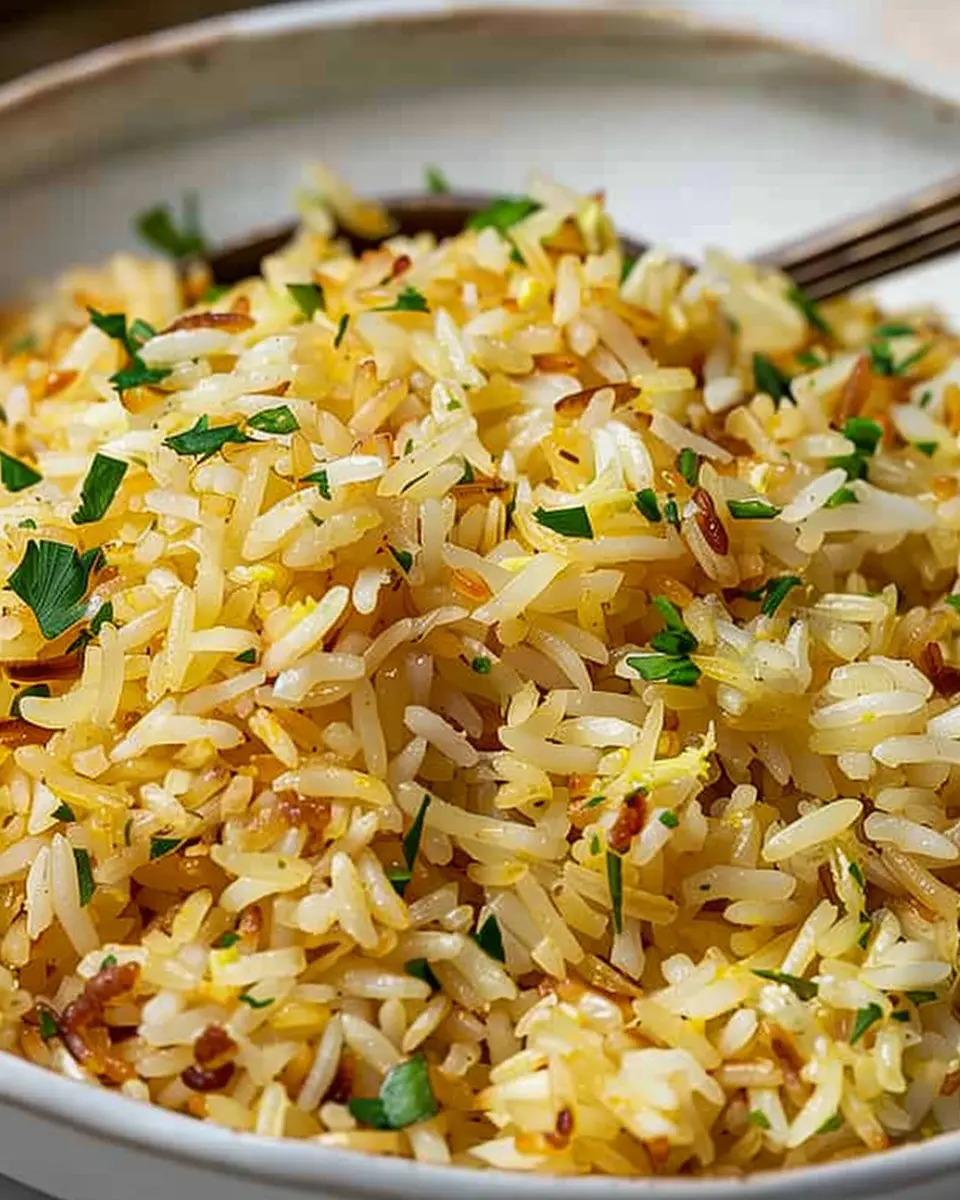
Variations of Rice Pilaf
Rice pilaf is a versatile dish that lends itself beautifully to various flavors and ingredients. Let’s explore a few delightful variations that can elevate your cooking game.
Mediterranean Rice Pilaf
Transport your taste buds to the shores of the Mediterranean with a distinctly flavored rice pilaf. Begin with a good base of long-grain rice sautéed in olive oil, adding in chopped onions and garlic for depth. Incorporate flavorful elements like chopped sun-dried tomatoes, olives, and a mix of herbs such as oregano and basil. For a protein boost, consider tossing in grilled chicken or turkey bacon. The result? A dish bursting with the vibrant flavors of the Mediterranean—perfect for dinner parties or an elegant weeknight meal. For more ideas, check out this recipe on Mediterranean cuisine.
Spiced Rice Pilaf
For those craving a little warmth and heat, a spiced rice pilaf is the way to go! Begin with cumin and coriander, which bring a comforting aroma when sautéed with your onions. You can also add a pinch of cinnamon or cloves—these spices elevate your dish to a whole new level. Consider mixing in dried fruits like raisins or apricots for a sweet contrast, making your pilaf not just a side but a meal in itself.
Vegetable-Packed Rice Pilaf
If you're looking for a wholesome and nutritious option, a vegetable-packed rice pilaf is calling your name. Load it up with your favorite veggies like carrots, bell peppers, and peas for color and crunch. Toss in some chicken ham or tofu for protein, and you'll have a satisfying, one-pot meal that’s nutritious and easy to make. This variation makes it easier to sneak in that daily dose of veggies without anyone noticing!
Each of these variations adds a unique twist to traditional rice pilaf. Try them out, and you're sure to impress your friends—and yourself!
Cooking Tips and Notes for Rice Pilaf
Making a delicious rice pilaf is all about technique and balance. Here are some tried-and-true tips to elevate your dish:
-
Choosing the Right Rice: Opt for long-grain varieties like Basmati or Jasmine, as they provide that perfect fluffy texture. Shorter grains tend to clump together.
-
Toasting Matters: Toast the rice in a little olive oil or butter before adding broth; this deepens the flavor. Just a few minutes in the pan will do!
-
Liquid Ratio: A common rule of thumb is a 2:1 ratio of liquid to rice. For added flavor, consider using homemade chicken broth instead of water, which can dramatically enhance the taste.
-
Additions and Variations: Consider adding chopped aromatics like garlic and onions early on. You can also experiment with spices such as cumin or paprika for a unique twist. Don't forget to stir in Turkey Bacon or Chicken Ham for extra protein.
These tips can transform your ordinary rice pilaf into a standout side dish! Have you ever tried infusing it with saffron or turmeric? The vibrant color and flavor are well worth it. For more suggestions, check out resources like America's Test Kitchen for expert advice.
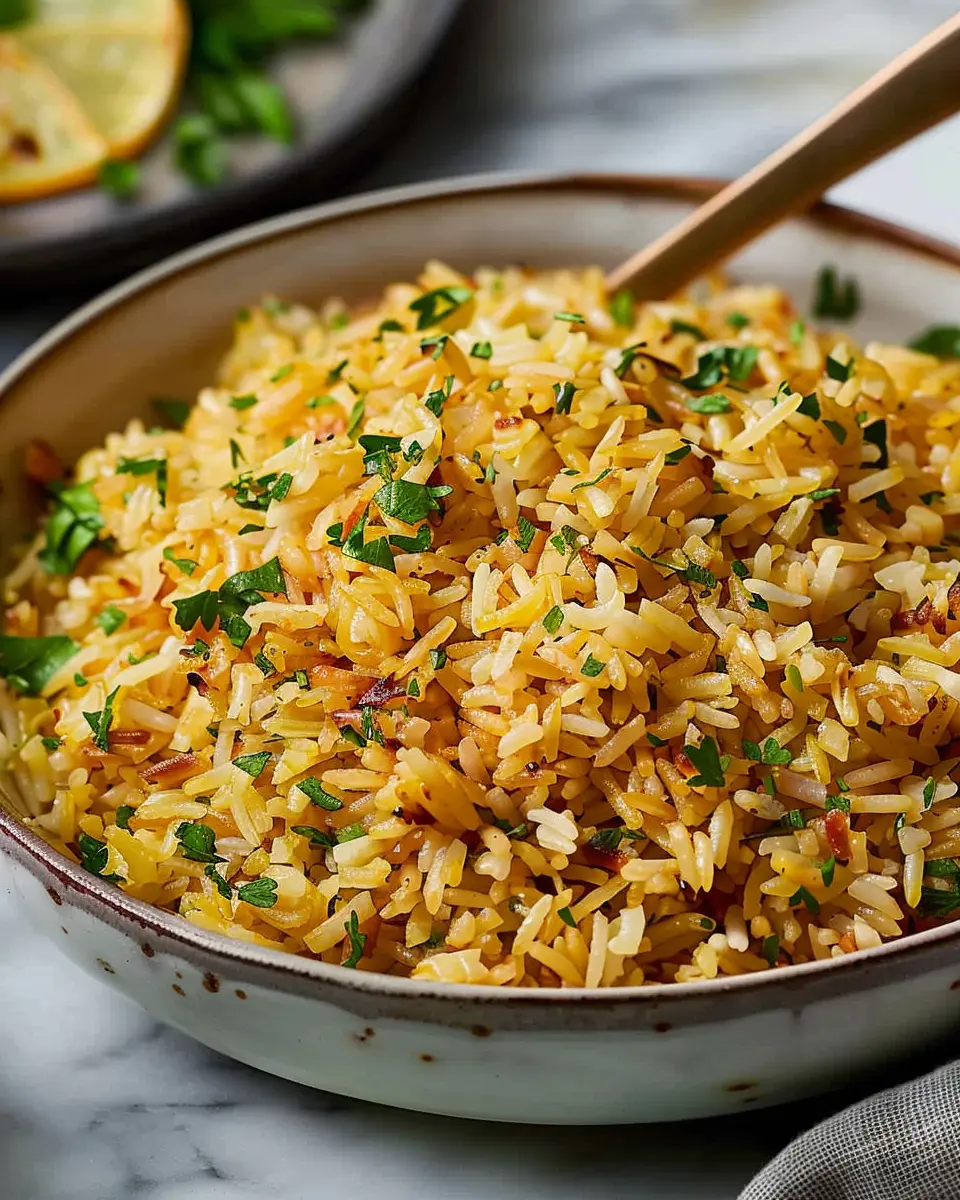
Serving Suggestions for Rice Pilaf
Complementary Dishes to Pair with Rice Pilaf
Rice pilaf is a versatile side dish that pairs beautifully with a variety of mains. Consider these delicious options:
- Grilled Chicken Skewers: The smoky flavor of grilled chicken complements the nutty taste of rice pilaf, creating a harmonious plate.
- Mediterranean Lamb Chops: The spices in lamb enhance the aromatic qualities of the pilaf.
- Turkey Bacon-Wrapped Asparagus: For a delightful twist, wrap asparagus spears in turkey bacon and serve alongside your rice pilaf for a crunchy, savory contrast.
If you want to explore more pairings, check out Food & Wine for creative inspiration.
Creative Ways to Serve Rice Pilaf
Serving rice pilaf doesn’t have to be boring! Try these fun ideas to make your meal more inviting:
- Stuffed Bell Peppers: Use rice pilaf as a savory filling for bell peppers, topped with cheese and baked until golden.
- Layered Salad: Create a light summer salad by layering cooked rice pilaf with fresh greens, tomatoes, and cucumbers. Drizzle with olive oil and lemon juice for freshness.
- Rice Bowls: Build a customizable rice bowl with toppings like grilled veggies, chickpeas, and tzatziki sauce.
These serving ideas not only elevate your dish but also allow for personalization to fit your taste preferences!
Time Breakdown for Rice Pilaf
Preparation Time
Getting started on your rice pilaf is straightforward and won't eat up much of your day. You’ll need about 10 minutes for prep time. This includes gathering your ingredients, chopping onions, and measuring out the rice and broth. A bit of organization goes a long way in the kitchen!
Cooking Time
Once your ingredients are prepped, cooking is a breeze. Allow for 20-25 minutes for the actual cooking. The beauty of rice pilaf is that it’s ample time to mingle with other dishes or unwind with a favorite podcast while you wait.
Total Time
In total, you’re looking at around 30-35 minutes for a delicious rice pilaf. Consider pairing it with protein options like Turkey Bacon or Chicken Ham for a complete meal. This timing makes it perfect for a weeknight dinner.
For more on meal prep tips, check out Eatwell101 for helpful insights!
Nutritional Facts for Rice Pilaf
When you're diving into a delicious bowl of rice pilaf, understanding its nutritional benefits can really elevate your meal experience. Let’s take a closer look at what you’re actually consuming.
Calories
A standard serving of rice pilaf typically contains about 200-250 calories. This makes it a moderate option for anyone looking to enjoy a hearty meal without going overboard.
Protein
When it comes to protein, a serving of this vibrant dish can offer approximately 4-5 grams. While rice itself isn't a complete protein, adding components like Turkey Bacon or vegetables can boost the protein content, making it more satisfying.
Sodium
It's worth noting that sodium levels in rice pilaf can vary significantly based on how it's seasoned. On average, a serving may contain around 250-500 mg of sodium. For those monitoring their sodium intake, consider using low-sodium broth or herbs as flavorful alternatives.
For more insights on healthy eating, check out resources like the American Heart Association to keep your meals not just tasty but also nutritious!
FAQs about Rice Pilaf
Can I make rice pilaf ahead of time?
Absolutely! Making rice pilaf ahead of time is a fantastic way to save time on busy weeknights. Just prepare the pilaf according to the recipe, let it cool, and store it in an airtight container in the fridge. It should last for about 4 to 5 days. When you’re ready to enjoy it, simply reheat in a pot with a splash of broth or water to revive its texture and flavor.
What to do if my rice pilaf is too sticky?
If you find your rice pilaf has turned out a bit sticky, don’t fret! This can happen if the rice is overcooked or has too much moisture. Here are a few quick fixes:
- Fluff it up: Use a fork to gently fluff the rice, which can separate grains and alleviate some of the stickiness.
- Sauté it: Heat a pan on low and add a little olive oil or butter, then sauté the pilaf lightly to help dry it out a bit.
- Add a little water: If it’s too dry, a couple of tablespoons of water can help loosen it up.
How can I enhance the flavor of rice pilaf?
Enhancing the flavor of your rice pilaf is easier than you think! Here are a few delicious ideas:
- Spices and herbs: Try adding cumin, coriander, or fresh herbs like parsley and cilantro for a fresh touch.
- Broth instead of water: Cooking your rice in vegetable or chicken broth can add depth to the flavor.
- Toppings: Consider sautéing onions or garlic before adding your rice, and garnish with toasted nuts or dried fruits for added texture and richness.
For more tips on seasoning, check out this helpful resource on herbs to pair perfectly with your pilaf!
Remember, rice pilaf is versatile, so feel free to experiment and find your ideal flavor profile!
Conclusion on Rice Pilaf
Whether you’re preparing a weeknight dinner or hosting friends, rice pilaf is sure to impress. This versatile dish not only showcases your culinary skills but also serves as a blank canvas for creativity. Experimenting with flavors, like adding spices or Turkey Bacon, can elevate your pilaf to new heights.
By mastering the art of rice pilaf, you unlock endless possibilities for customization, from hearty dishes to light sides. For more inspiration and variations, check out this resource that dives deeper into grains and pilafs. So, next time you're in the kitchen, consider whipping up a batch of rice pilaf—your taste buds will thank you!
PrintRice Pilaf Delight: Easy Recipe with Turkey Bacon and Chicken Ham

Delightful and easy Rice Pilaf made with turkey bacon and chicken ham, perfect for any meal.
- Prep Time: 10 minutes
- Cook Time: 25 minutes
- Total Time: 35 minutes
- Yield: 4 servings 1x
- Category: Side Dish
- Method: Stovetop
- Cuisine: Mediterranean
- Diet: Gluten-Free
Ingredients
- 1 cup rice
- 2 cups chicken broth
- 3 slices turkey bacon
- ½ cup diced chicken ham
- 1 onion, chopped
- 2 cloves garlic, minced
- 1 tablespoon olive oil
- 1 teaspoon salt
- ½ teaspoon black pepper
- 1 tablespoon fresh parsley, chopped
Instructions
- In a skillet, heat olive oil over medium heat. Add onion and garlic, sauté until softened.
- Add turkey bacon and chicken ham, cook until bacon is crispy.
- Stir in the rice and toast for a couple of minutes.
- Pour in the chicken broth, add salt and pepper. Bring to a boil.
- Reduce heat, cover, and simmer for 20 minutes.
- Remove from heat, let sit for 5 minutes, then fluff with a fork.
- Garnish with fresh parsley before serving.
Notes
- For extra flavor, consider adding a bay leaf during cooking.
- This dish pairs well with roasted vegetables.
Nutrition
- Serving Size: 1 cup
- Calories: 250
- Sugar: 1g
- Sodium: 500mg
- Fat: 8g
- Saturated Fat: 2g
- Unsaturated Fat: 5g
- Trans Fat: 0g
- Carbohydrates: 35g
- Fiber: 2g
- Protein: 10g
- Cholesterol: 20mg
Keywords: Rice Pilaf, Easy Recipe, Turkey Bacon, Chicken Ham




Leave a Reply